Living with spinal stenosis can be exhausting. When narrowing in the spinal canal puts pressure on the spinal cord or surrounding nerves, even simple activities like walking, standing, or sleeping comfortably can become difficult.
It most often affects the neck or lower back and can lead to persistent pain, numbness, weakness, and reduced mobility. For those searching for lasting relief without immediately turning to invasive procedures, acupuncture offers a non-invasive treatment option that focuses on reducing symptoms and improving function over time.
In this article, we’ll explain what spinal stenosis is, why it develops, and how it affects the body. We’ll also discuss how acupuncture for spinal stenosis may fit into a structured treatment plan, along with supportive lifestyle strategies that can help protect spinal health.
💡 According to Harvard Health Publishing, spinal stenosis is a leading cause of neck and back pain in older adults, often resulting in significant discomfort and even disability if untreated.1
What Is Spinal Stenosis?
Spinal stenosis develops when spaces within the spine narrow enough to place pressure on the spinal cord or nearby nerve roots. This compression disrupts normal nerve signaling and is the primary reason patients experience pain, weakness, or sensory changes.
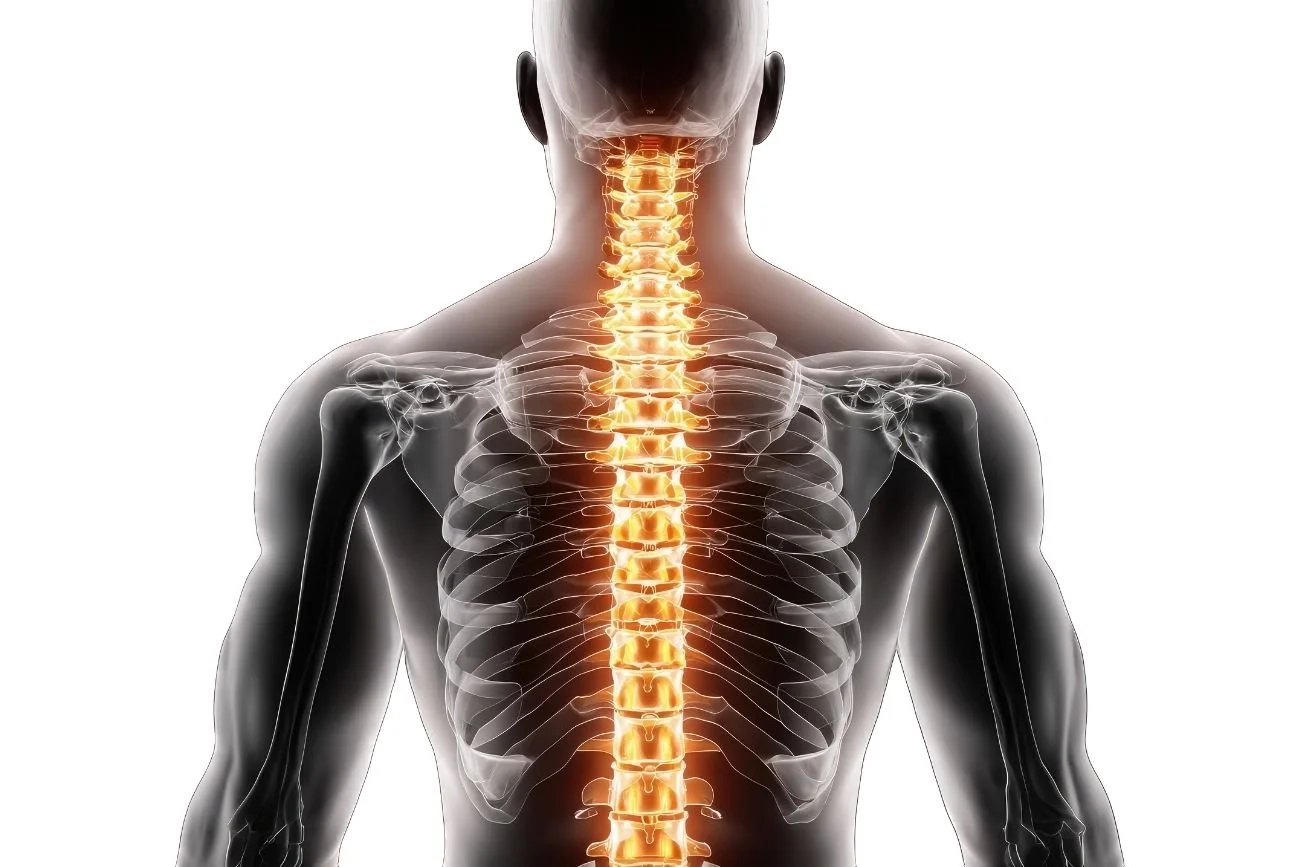
The condition most commonly affects two regions:
- Cervical Spinal Stenosis: Occurs in the neck and may affect the spinal cord and nerves traveling into the shoulders, arms, and hands. Symptoms can include neck pain, arm weakness, numbness, coordination changes, and in some cases balance difficulty.
- Lumbar Spinal Stenosis: Occurs in the lower back and typically affects nerves traveling into the hips and legs. Patients often report lower back pain, leg pain, heaviness, or difficulty walking or standing for extended periods.
Types of Spinal Stenosis
- Central Spinal Stenosis: Narrowing of the main spinal canal that may directly affect the spinal cord.
- Lateral Recess Stenosis: Narrowing where nerve roots branch off the spinal cord, sometimes producing radiating or nerve-related pain.
- Foraminal Stenosis: Narrowing of the openings where spinal nerves exit the spine, which can lead to localized nerve compression.
How It Affects the Spine and Surrounding Nerves
When nerves are compressed, communication between the brain and body becomes less efficient. Over time, this can lead to persistent pain, numbness, tingling, muscle weakness, and reduced endurance. In more advanced cases, nerve compression may begin to affect balance, coordination, or overall mobility.
Causes of Spinal Stenosis
Spinal stenosis most commonly develops due to structural changes in the spine that gradually narrow the spinal canal. Identifying contributing factors is important, as symptom severity and treatment planning often depend on the underlying cause.
Age-Related Changes
Age-related degeneration is the most frequent cause of spinal stenosis. Over time, normal wear and tear can alter spinal structures, including:
- Degenerative Disc Disease: Intervertebral discs lose hydration and height with age, which can reduce spacing between vertebrae and contribute to canal narrowing.
- Osteoarthritis: Degeneration of the spinal joints may lead to bone spur formation (osteophytes), which can encroach on nerve space.
Genetic Factors and Congenital Conditions
Some individuals are born with structural variations that predispose them to earlier or more pronounced narrowing:
- Congenital Stenosis: A naturally narrow spinal canal present from birth.
- Genetic Conditions: Certain inherited disorders can influence spinal development and increase susceptibility to compression.
Injuries and Trauma
Structural injury to the spine may accelerate or worsen narrowing:
- Spinal Injuries: Fractures or dislocations can alter spinal alignment and reduce available nerve space.
- Herniated Discs: Bulging or displaced discs may press directly on nerve roots or the spinal cord.
Other Contributing Factors
Additional medical conditions can further reduce space within the spinal canal:
- Arthritis: Inflammatory forms of arthritis, including rheumatoid arthritis, may contribute to swelling and structural changes within the spine.
- Tumors: Although uncommon, spinal tumors can occupy space and compress neural structures.
Symptoms of Spinal Stenosis
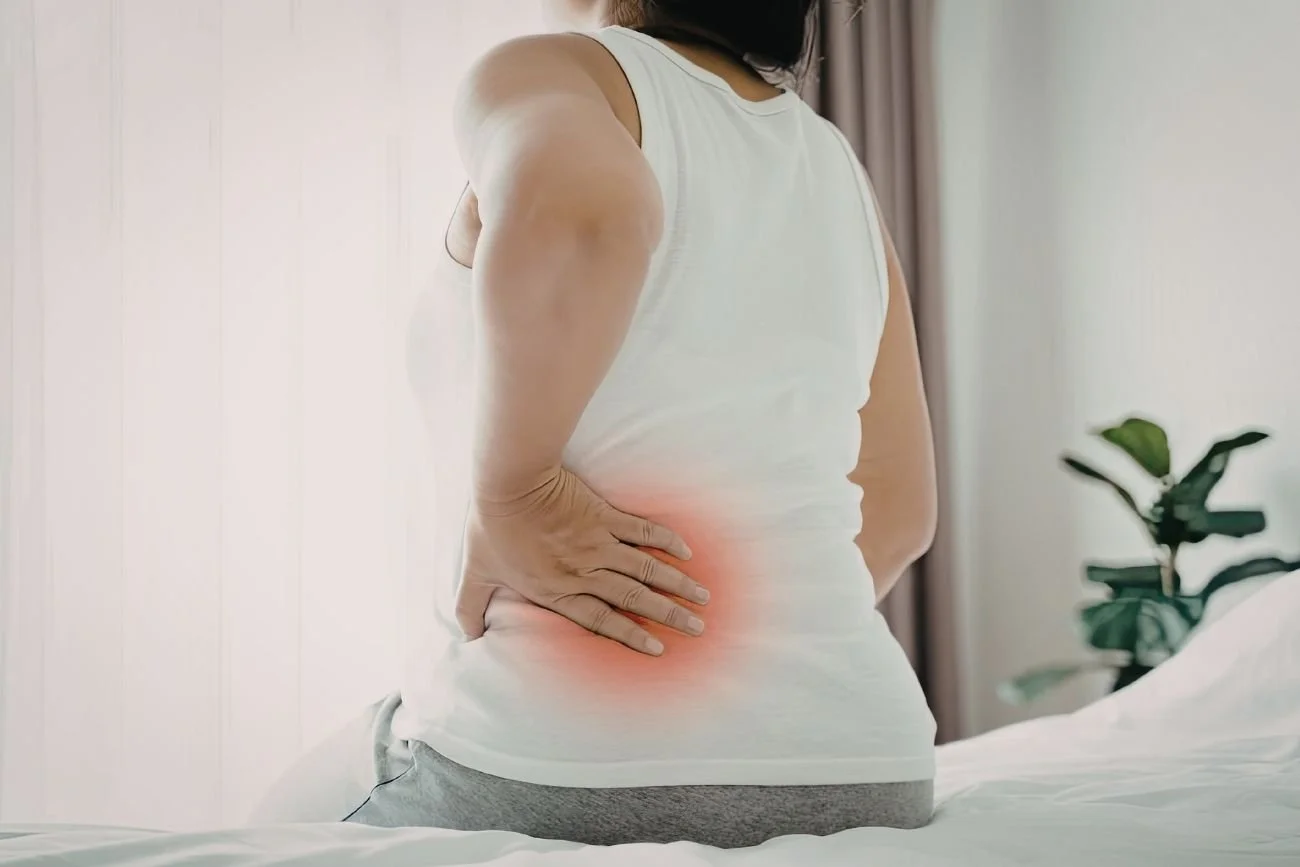
Symptoms of spinal stenosis vary depending on the location and degree of nerve compression. In many cases, symptoms develop gradually and progress over time as narrowing increases.
Common Symptoms
Spinal stenosis often produces a combination of nerve-related and mechanical symptoms:
- Pain: Persistent neck or lower back pain is common. Pain may radiate into the arms, hands, legs, or feet depending on which nerves are affected.
- Numbness and Tingling: Reduced or altered sensation, often described as “pins and needles,” may occur in the extremities.
- Weakness: Muscle weakness in the arms or legs can affect balance, coordination, and fine motor control. In more advanced cases, prolonged nerve compression may contribute to muscle atrophy.
- Headaches: Cervical spinal stenosis may contribute to headaches, particularly when nerve irritation or muscular tension in the neck is present.
Symptoms Based on Location
Symptom patterns often depend on whether narrowing occurs in the cervical or lumbar spine.
Cervical Spinal Stenosis
- Neck Pain: May radiate into the shoulders, arms, and hands.
- Hand Weakness: Difficulty with fine motor tasks such as writing or fastening buttons.
- Balance Issues: Changes in coordination or gait due to spinal cord involvement.
- Headaches: Ongoing headaches that may be associated with cervical nerve compression.
Lumbar Spinal Stenosis
- Lower Back Pain: May extend into the buttocks and legs.
- Leg Weakness: Fatigue, heaviness, or reduced strength when standing or walking.
- Sciatica: Sharp or radiating nerve pain traveling down one or both legs.
One common symptom of lumbar spinal stenosis is leg pain, heaviness or tingling that develops during walking or standing and improves with sitting or leaning forward. Learn more about why spinal stenosis causes leg pain when walking, including how to recognize neurogenic claudication and distinguish it from other causes of leg pain.
Impact on Daily Life and Mobility
As spinal stenosis progresses, symptoms can interfere with routine activities. Walking long distances, standing for extended periods, or maintaining comfortable positions may become increasingly difficult. Reduced mobility over time can affect independence, physical conditioning, and overall quality of life.
Spinal stenosis often changes how people move through daily life. This short video explains how structured, conservative care may help reduce pain and improve mobility over time.
How Acupuncture Can Help with Spinal Stenosis
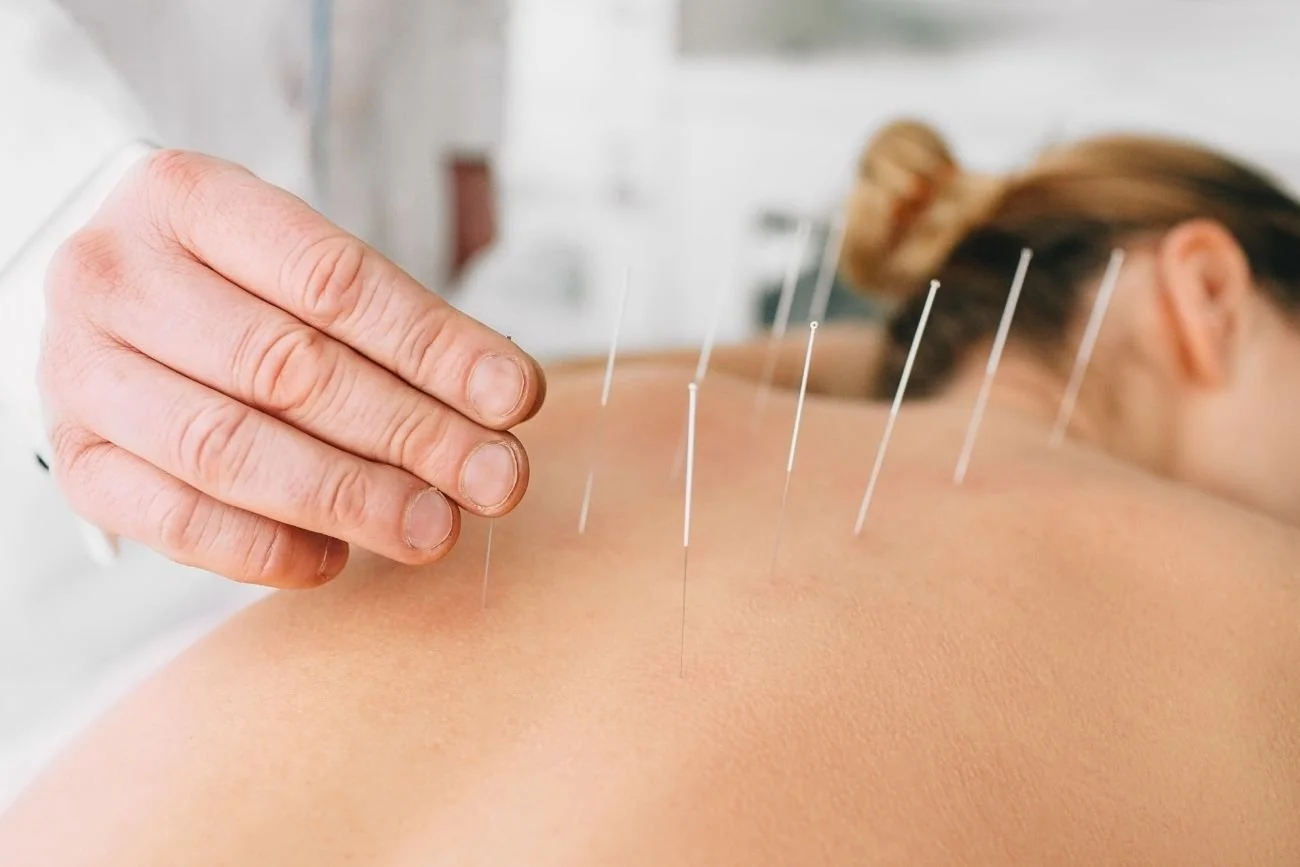
Acupuncture is a non-invasive, non-surgical treatment for spinal stenosis that involves placing thin needles at specific points on the body to influence pain pathways, circulation, and neuromuscular function. For patients with spinal stenosis, acupuncture is often used as part of a conservative care plan aimed at reducing symptoms and improving daily function.
How Acupuncture Works
From a clinical perspective, acupuncture may support spinal stenosis care through several mechanisms:
- Pain Modulation: Acupuncture has been shown to influence the release of endorphins and other neurochemicals involved in pain regulation.
- Improved Circulation: Treatment may enhance localized blood flow, which can support tissue health and reduce inflammatory irritation around compressed nerves.
- Muscle Relaxation: By reducing muscular tension and spasms surrounding the spine, acupuncture may decrease mechanical stress on affected structures.
Treatment plans are individualized and adjusted over time based on symptom patterns, response to care, and overall functional goals.
Benefits for Spinal Stenosis
When incorporated into a structured treatment plan, acupuncture for spinal stenosis may help:
- Reduce Pain: Including neck pain or lower back pain associated with nerve compression.
- Decrease Numbness and Tingling: By supporting nerve function and reducing surrounding irritation.
- Improve Mobility: Helping patients tolerate walking, standing, or daily movement more comfortably.
- Support Sleep Quality: As pain levels improve, restorative sleep often becomes more achievable.
- Reduce Stress Response: Chronic pain can heighten nervous system sensitivity; acupuncture may help regulate that response.
In clinical practice, many patients with spinal stenosis report improvements in walking tolerance and standing endurance as treatment progresses. While symptom patterns vary, these functional changes are often just as meaningful as reductions in pain because they can make daily activities easier and more comfortable.
Response to treatment varies depending on the severity of stenosis, contributing factors, and overall health. Patients should consult with their healthcare provider before beginning acupuncture or any new treatment approach.
Clinical research has examined these effects in patients with lumbar spinal stenosis.
What the Research Says About Acupuncture for Spinal Stenosis
Spinal stenosis can significantly affect walking tolerance, standing endurance, and overall function. For patients exploring non-surgical options, research has examined whether acupuncture may help reduce symptoms associated with nerve compression.
Clinical studies suggest that acupuncture may provide measurable improvements in pain and mobility for patients with lumbar spinal stenosis. In one randomized controlled trial, participants receiving acupuncture reported reduced pain and improved function compared to those receiving a sham treatment. Notably, improvements were sustained for months following completion of care.2
Another study comparing acupuncture with exercise therapy and medication found that acupuncture was associated with greater improvements in daily function and symptom reduction during the treatment period.3 Additional research suggests acupuncture may help modulate inflammatory processes and support nerve function over time.4
These findings indicate that acupuncture can be considered a conservative, non-invasive treatment option for managing symptoms of spinal stenosis. Outcomes vary depending on severity, duration of symptoms, and overall health status, but current evidence supports its role within a comprehensive care plan.
As Harvard Health notes, spinal stenosis is most often caused by age-related changes such as arthritis or disc degeneration, and treatment plans that incorporate therapies like acupuncture may help manage symptoms and potentially delay or reduce the need for surgical intervention.1
Lifestyle Changes That Can Help Improve Symptoms of Spinal Stenosis
Managing spinal stenosis typically involves more than one intervention. In addition to medical care or acupuncture treatment, targeted lifestyle adjustments can help reduce strain on the spine and support long-term function.

Exercise and Physical Activity
Appropriate movement is often an important part of managing spinal stenosis. Exercise programs should be tailored to symptom tolerance and overall health status.
- Low-Impact Activities: Walking, swimming, or cycling can maintain cardiovascular health without placing excessive stress on the spine.
- Strengthening Exercises: Targeted strengthening of the core and supporting spinal muscles may improve stability and reduce mechanical stress.
- Stretching and Flexibility: Gentle stretching can help maintain mobility and reduce muscle tightness that may worsen discomfort.
Healthy Weight Management
Excess body weight can increase mechanical load on the spine.
- Balanced Diet: A diet rich in whole foods, lean proteins, and vegetables supports overall health and tissue repair.
- Weight Awareness: Gradual weight reduction, when appropriate, may decrease stress on the lower back.
- Ongoing Monitoring: Sustainable habits are more beneficial than short-term restrictive approaches.
Posture and Ergonomics
Daily positioning influences spinal stress.
- Postural Awareness: Maintaining neutral spinal alignment while sitting and standing can reduce unnecessary strain.
- Workstation Setup: Supportive seating and proper desk and screen height may help limit prolonged compression.
Stress Management
Chronic pain can increase nervous system sensitivity and muscular tension, which may amplify symptom perception over time.
- Mind-Body Techniques: Practices such as breathing exercises, meditation, or progressive relaxation may help regulate stress responses.
- Positive Self-Talk: Thought patterns can influence how pain signals are processed. Learning how positive self-talk supports nervous system regulation may help reduce pain sensitivity in some patients.
- Adequate Rest: Consistent sleep supports tissue recovery and pain modulation.
Regular Medical Oversight
Spinal stenosis should be monitored over time.
- Ongoing Evaluation: Periodic follow-up with your healthcare provider helps track progression and adjust care plans.
- Adherence to Treatment Plans: Following recommended therapies supports stability and long-term management.
Before making significant lifestyle changes or beginning a new exercise program, consult with your healthcare provider to ensure recommendations are appropriate for your condition.
Frequently Asked Questions About Acupuncture for Spinal Stenosis
-
Research suggests acupuncture may help reduce pain and improve mobility in patients with lumbar spinal stenosis. Outcomes vary depending on severity and overall health, but it is often considered a conservative treatment option before surgical intervention.
-
Acupuncture may help reduce leg pain, heaviness, and nerve-related discomfort associated with spinal stenosis. Treatment plans are tailored to the location and severity of symptoms, as well as each patient's overall health and goals.
-
When performed by a licensed practitioner, acupuncture is generally considered safe and well tolerated. A proper evaluation is important to determine whether treatment is appropriate based on your specific symptoms and medical history.
-
The number of treatments varies depending on symptom duration, severity, and contributing factors. Some patients begin noticing changes within several visits, while others require a longer course of structured care to achieve meaningful improvement.
-
Acupuncture is not a replacement for surgery in severe cases involving progressive neurological deficits. However, it may help manage symptoms and potentially delay or reduce the need for surgical intervention in appropriate cases.
-
Acupuncture may help reduce neck pain, headaches, and arm symptoms associated with cervical spinal stenosis. Treatment focuses on decreasing muscular tension, supporting nerve function, and improving mobility as part of a structured, conservative care plan.
-
The most appropriate non-surgical treatment for spinal stenosis depends on the severity of symptoms and contributing factors. Conservative options may include acupuncture, physical therapy, targeted exercise, and medical management. A thorough evaluation helps determine which combination of therapies is most appropriate.
Taking the Next Step
Spinal stenosis can interfere with mobility, independence, and overall function. When symptoms persist, a structured and individualized treatment approach becomes essential.
Acupuncture for spinal stenosis can serve as part of a conservative care plan focused on reducing pain, improving mobility, and supporting nervous system regulation. When combined with appropriate movement, postural awareness, and medical oversight, it may help patients manage symptoms more effectively over time.
If you are considering acupuncture, a thorough evaluation is the first step. At Nyberg Acupuncture & Wellness, Dr. Jeffrey Savage provides individualized assessments to better understand contributing factors, symptom patterns, and functional limitations. Treatment plans are developed based on your specific presentation and adjusted as needed.
During your consultation, you will have time to review your history, discuss current symptoms, and receive clear recommendations regarding whether acupuncture is an appropriate option for your case.
To schedule a consultation, call +1 (503) 336-4747. Early evaluation helps determine appropriate next steps for managing spinal stenosis safely and conservatively.
References:
- Fisher J. Spinal stenosis: Treatment options for managing symptoms. Harvard Health Publishing. July 22, 2024. https://www.health.harvard.edu/diseases-and-conditions/spinal-stenosis-treatment-options-for-managing-symptoms
- Qin Z, Ding Y, Xu C, et al. Acupuncture vs Noninsertive Sham Acupuncture in Aging Patients with Degenerative Lumbar Spinal Stenosis: A Randomized Controlled Trial. Am J Med. 2020;133(4):500-507.e20. doi:10.1016/j.amjmed.2019.08.0383.
- Oka H, Matsudaira K, Takano Y, et al. A comparative study of three conservative treatments in patients with lumbar spinal stenosis: lumbar spinal stenosis with acupuncture and physical therapy study (LAP study). BMC Complementary and Alternative Medicine. 2018;18(1):19. doi:10.1186/s12906-018-2087-y
- Clark A, Lucke-Wold BP. Acupuncture and spinal stenosis: Considerations for treatment. Future Integr Med. 2022;1(1):23-31. doi:10.14218/FIM.2022.00010