Acupuncture for Diabetic Neuropathy in Feet: Effective Relief
Diabetic neuropathy in the feet is a common and often progressive complication of diabetes, affecting millions worldwide. Symptoms such as tingling, numbness, burning pain, or loss of sensation can make everyday activities uncomfortable and increase the risk of falls or injury. In the U.S., peripheral neuropathy affects about 15% of people over the age of 40, with many cases involving the feet.1

For patients who feel stuck managing symptoms without real progress, acupuncture for diabetic neuropathy in feet provides a more targeted path forward. Instead of simply masking pain, treatment focuses on reducing discomfort, improving circulation, and supporting the body’s ability to repair damaged nerves over time. At Nyberg Acupuncture & Wellness, care is built around individualized treatment plans that adjust as your body responds, helping you move toward lasting relief rather than temporary fixes.
While conventional treatments often focus on symptom control, many patients are looking for options that address the underlying drivers of nerve pain. Acupuncture is increasingly used as part of a comprehensive treatment strategy for diabetic peripheral neuropathy, helping to regulate pain signaling, improve circulation, and support the body’s natural repair processes.
This article focuses on treatment for diabetic peripheral neuropathy (DPN) using acupuncture. You’ll learn how this approach fits into a structured care plan, what the research shows, and how individualized treatment can help reduce symptoms and improve quality of life.
Diabetic Peripheral Neuropathy Symptoms and Progression
Diabetic peripheral neuropathy (DPN) is one of the most common complications of diabetes and a leading cause of nerve pain in the feet. While peripheral neuropathy affects about 15% of adults over age 40 in the U.S., rates are significantly higher in people with diabetes, with DPN affecting approximately 30% of this population.1 Symptoms often develop gradually and can worsen over time if not properly addressed.

For many patients, the earliest signs are subtle. Over time, however, symptoms can become more persistent and disruptive, affecting balance and mobility over time.
Common Symptoms and Warning Signs
- Tingling or numbness in the feet or hands
- Burning, sharp, or stabbing pain
- Increased sensitivity to touch
- Loss of balance or coordination
- Muscle weakness in more advanced stages
What Makes Diabetic Neuropathy Different
- Nerve damage is directly linked to blood sugar levels and metabolic changes
- Symptoms tend to follow a predictable, progressive pattern
- The feet are often affected first and most significantly
- Without treatment, symptoms can worsen and increase the risk of injury or complications
How Common Is Diabetic Peripheral Neuropathy?
- At least 20% of people with type 1 diabetes develop DPN after 20 years of disease duration
- Approximately 10%–15% of patients with newly diagnosed type 2 diabetes already show signs of neuropathy
- Prevalence increases to about 50% after 10 years of type 2 diabetes2
Because symptoms tend to progress over time, early and consistent treatment can play an important role in reducing discomfort, improving function, and helping prevent further nerve damage.
Conventional Treatment Options
Treatment for diabetic peripheral neuropathy (DPN) typically involves a combination of medications, supportive therapies, and lifestyle changes aimed at reducing symptoms and slowing progression. While these approaches can help patients manage daily discomfort, many find that symptoms persist or gradually worsen over time.
Medications: Managing Symptoms with Caution
Medications play a central role in managing diabetic peripheral neuropathy, but they often come with side effects and do not directly repair nerve damage:

- Pain Relievers: Over-the-counter options such as acetaminophen and nonsteroidal anti-inflammatory drugs (NSAIDs) may help with mild to moderate pain. Long-term use, however, can increase the risk of gastrointestinal issues and kidney complications.
- Antidepressants: Certain antidepressants, including tricyclic antidepressants (TCAs) and serotonin-norepinephrine reuptake inhibitors (SNRIs), are commonly used to reduce nerve pain. These medications may cause dizziness, dry mouth, or weight gain.
- Anticonvulsants: Drugs such as gabapentin and pregabalin are frequently prescribed for nerve-related pain. Side effects can include drowsiness, dizziness, and swelling.
Therapies
Supportive therapies are often recommended to help maintain mobility and reduce discomfort:
- Physical Therapy: Targeted exercises can help improve strength, balance, and coordination, especially in patients experiencing instability. You can also explore neuropathy-friendly exercises for better balance.
- Topical Treatments: Creams containing capsaicin or lidocaine may provide temporary relief for localized symptoms, particularly in the feet.
Lifestyle Modifications
Daily habits play an important role in managing diabetic neuropathy and reducing the risk of complications:
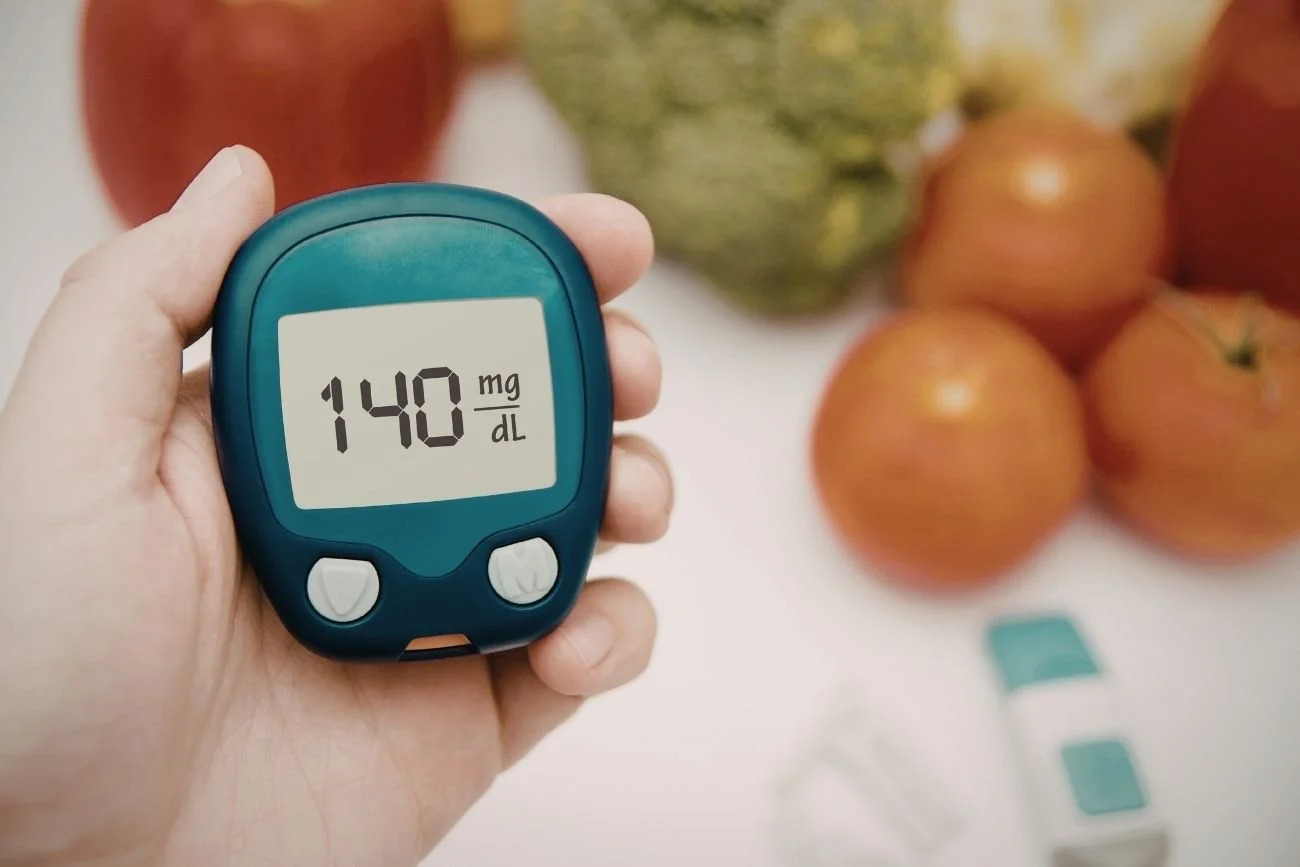
- Blood Sugar Management: Maintaining stable glucose levels is essential for slowing nerve damage progression.
- Foot Care: Routine inspection and proper footwear help prevent injuries, ulcers, and infections.
- Smoking Cessation: Avoiding tobacco supports better circulation and reduces vascular stress on nerves.
Limitations of Conventional Treatment
While these treatments can help manage symptoms, they often focus on short-term relief rather than long-term nerve recovery. Many patients continue to experience persistent pain, numbness, or functional limitations despite ongoing care. In addition, medication side effects and the need for continuous management can make treatment feel frustrating or incomplete.
Because of these limitations, many patients begin looking for treatment options that not only reduce symptoms but also support nerve healing and functional improvement over time.
Treatment for Diabetic Peripheral Neuropathy with Acupuncture
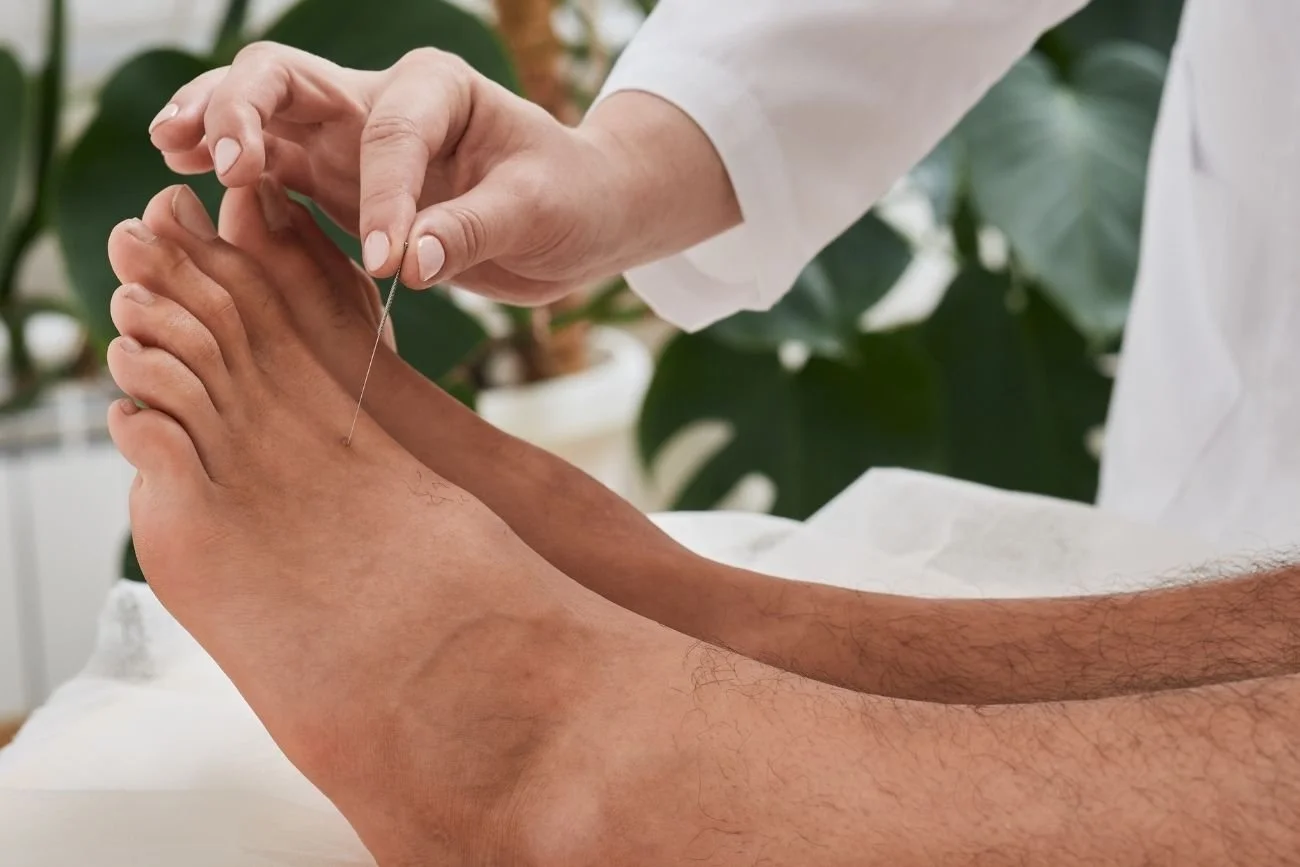
Acupuncture is an established treatment for diabetic peripheral neuropathy (DPN), supported by clinical research and widely used to reduce nerve pain, improve function, and support recovery over time. Rather than focusing only on symptom control, treatment is designed to address both discomfort and the underlying changes affecting nerve health.
Clinical Evidence Supporting Acupuncture for DPN
Clinical studies focused on diabetic peripheral neuropathy show that acupuncture can significantly improve symptoms and overall quality of life.
- Research published in the Journal of Clinical Medicine found that acupuncture significantly reduces neuropathic pain in patients with DPN by influencing pain signaling and neurohormonal regulation.3
- A study in the World Journal of Diabetes reported meaningful reductions in pain, numbness, and tingling, along with improved quality of life in patients receiving acupuncture for diabetic peripheral neuropathy.4
🧠 Want to understand how acupuncture supports nerve healing more broadly?
Read our post on how acupuncture helps neuropathy →
Benefits of Acupuncture for Diabetic Neuropathy
Patients receiving acupuncture for diabetic neuropathy in the feet often notice gradual but meaningful improvements in both symptoms and daily function.
- Reduced Pain and Sensitivity: Burning, tingling, and sharp pain can become less intense and less frequent, making it easier to walk, sleep, and stay active.
- Improved Sensation and Balance: As nerve function improves, many patients experience better stability and awareness in their feet.
- Support for Nerve Repair: Acupuncture has been shown to support nerve regeneration and recovery processes in diabetic peripheral neuropathy.5 For a deeper look at how this works, see how acupuncture supports nerve repair and regeneration.
- Better Overall Function: Improvements in sleep, mobility, and comfort contribute to a higher quality of life over time.
Our Approach at Nyberg Acupuncture and Wellness
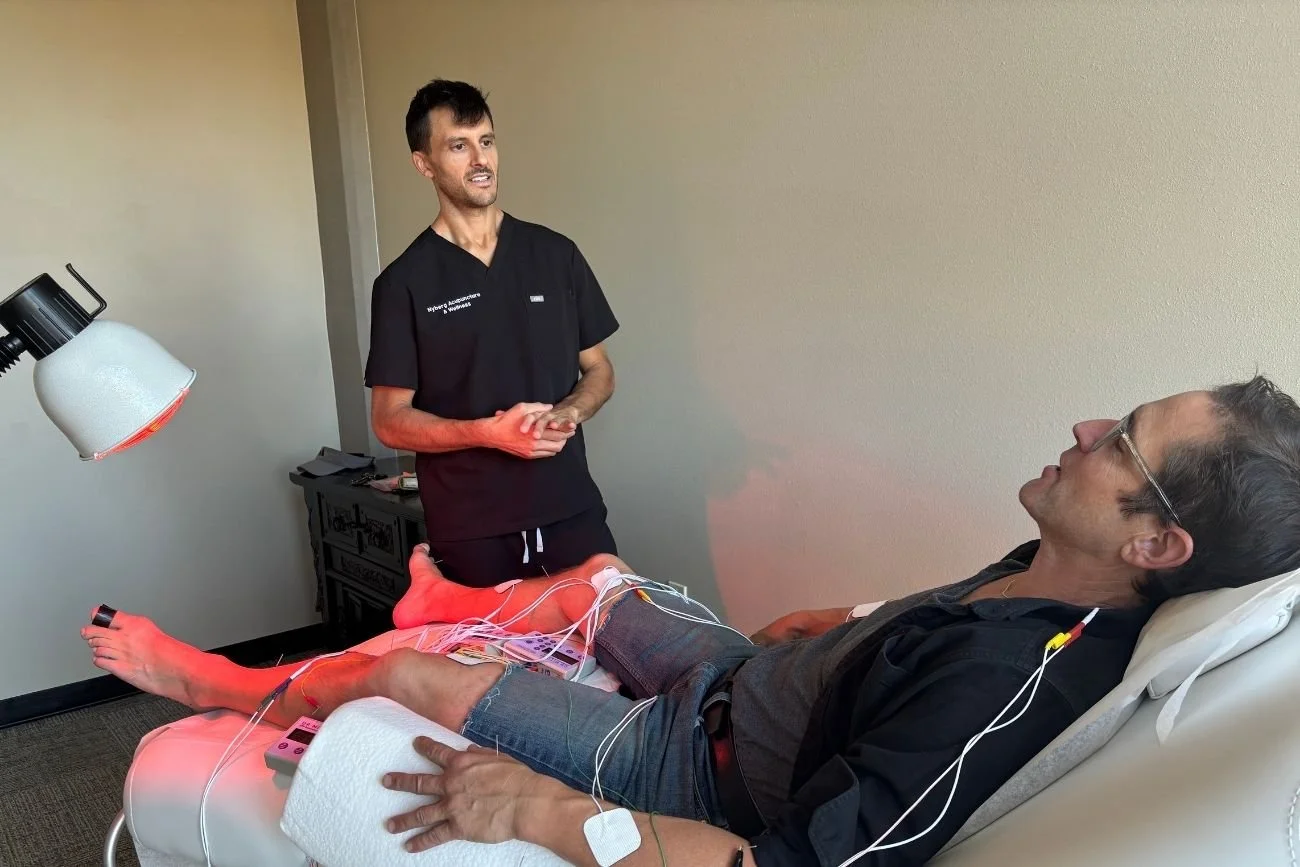
At Nyberg Acupuncture & Wellness, treatment for diabetic peripheral neuropathy is structured, personalized, and continuously adjusted based on your response.
- Integrated Therapies: Acupuncture is combined with ATP Resonance BioTherapy® to support circulation, nerve repair, and cellular function. In some cases, O3 ReBoot Therapy® may also be included as part of a broader supportive care plan.
- Individualized Treatment Planning: Care begins with a detailed assessment of your symptoms, history, and overall health to determine the most effective treatment strategy.
- Ongoing Reassessment: Progress is monitored closely, and treatment is adjusted over time to ensure continued improvement and avoid plateaus.
By combining acupuncture with advanced supportive therapies, treatment focuses not only on reducing symptoms but also on improving nerve function and long-term outcomes.
Frequently Asked Questions About Diabetic Neuropathy and Acupuncture
-
Acupuncture can help reduce common symptoms of diabetic neuropathy, including burning pain, tingling, and numbness in the feet. Many patients also notice improvements in circulation, balance, and overall comfort as treatment progresses.
-
In many cases, nerve damage from diabetes can be improved, especially when treatment begins early. While not every case is fully reversible, acupuncture and supportive therapies can help restore nerve function, reduce symptoms, and slow or stop progression.
-
Treatment is personalized and evolves over time. At Nyberg Acupuncture & Wellness, acupuncture is combined with ATP Resonance BioTherapy® to support nerve repair and improve circulation. Progress is monitored closely, and care is adjusted to ensure continued improvement.
-
Yes. Acupuncture is a safe, non-invasive treatment that can be integrated into your existing care plan. Treatments are tailored to your health history, symptoms, and any diabetes-related complications.
-
The number of sessions varies depending on the severity and duration of symptoms. Some patients notice early changes, but meaningful improvement typically occurs with consistent treatment over time. Your progress is reassessed regularly, and your plan is adjusted as needed.
Taking the Next Step
Diabetic peripheral neuropathy (DPN) can significantly impact daily life, but effective treatment is available. At Nyberg Acupuncture & Wellness, care is focused on reducing symptoms, improving function, and supporting long-term nerve health through personalized acupuncture treatment.
If you’re dealing with nerve pain, numbness, or tingling in your feet from diabetes, a structured and individualized treatment plan can help you regain comfort, stability, and confidence in your day-to-day life.
If you're in the Greater Portland area, request a call back through our neuropathy consultation form or call +1 (503) 336-4747 to speak with our team or schedule a consultation with Dr. Jeffrey Savage. This initial step allows us to better understand your symptoms and determine whether this approach is appropriate for your care.
Thank you for considering Nyberg Acupuncture & Wellness as your partner in managing diabetic peripheral neuropathy.
References:
- Callaghan BC, Price RS, Feldman EL. Distal Symmetric Polyneuropathy in 2020. JAMA. 2020;324(1):90–91. doi:10.1001/jama.2020.0700
- Pop-Busui R, Boulton AJM, Feldman EL, et al. Diabetic Neuropathy: A Position Statement by the American Diabetes Association. Diabetes Care. 2017;40(1):136–154. doi:10.2337/dc16-2042
- Dietzel J, Habermann IV, Hörder S, et al. Acupuncture in Patients with Diabetic Peripheral Neuropathy-Related Complaints: A Randomized Controlled Clinical Trial. J Clin Med. 2023;12(6):2103. doi:10.3390/jcm12062103
- Hoerder S, Habermann IV, Hahn K, et al. Acupuncture in diabetic peripheral neuropathy-neurological outcomes of the randomized acupuncture in diabetic peripheral neuropathy trial. World J Diabetes. 2023;14(12):1813-1823. doi:10.4239/wjd.v14.i12.1813
- Yang Y, Rao C, Yin T, et al. Application and underlying mechanism of acupuncture for the nerve repair after peripheral nerve injury: remodeling of nerve system. Front Cell Neurosci. 2023;17:1253438. doi:10.3389/fncel.2023.1253438