Reviving Nerves: Acupuncture for Nerve Pain Relief
Peripheral neuropathy can cause nerve pain, tingling, numbness, burning sensations, and balance changes that interfere with daily life. This guide explains how acupuncture for nerve pain can support peripheral neuropathy care by improving the conditions nerves need to recover over time. It also reviews how treatment planning, ongoing assessment, and supportive therapies may fit together for long-term symptom improvement.
If you want a broader overview of how neuropathy develops and why symptoms can persist, start with Can Acupuncture Help Neuropathy? Here’s What to Know.

Deep Dive into Nerve Health and Neuropathy
Peripheral neuropathy involves damage to nerves outside the brain and spinal cord. Symptoms often affect the hands and feet and may include pain, weakness, altered sensation, and reduced coordination. Different factors can contribute, including diabetes, infections, chemotherapy, and physical injury.
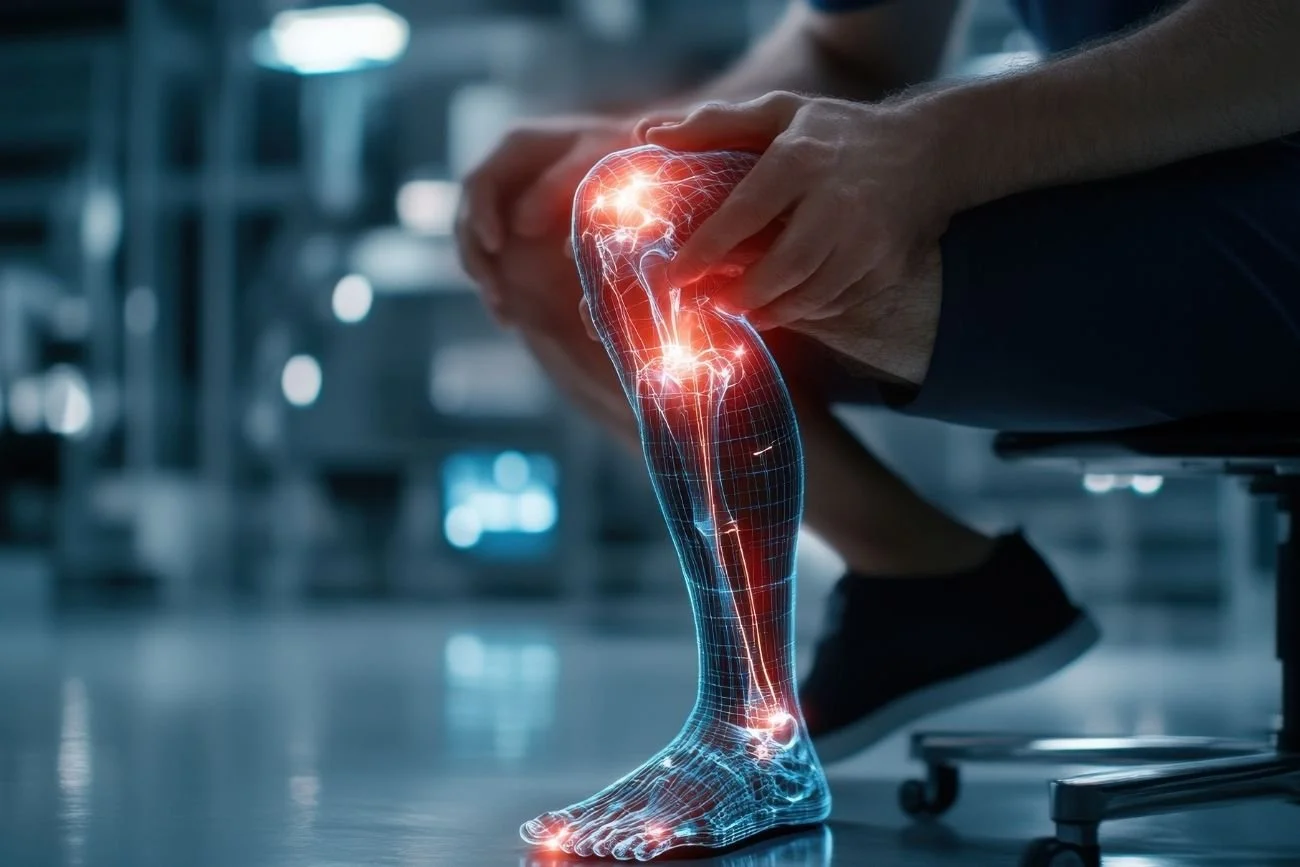
Nerves carry sensory information to the brain and send motor instructions back to the body. When nerve tissue becomes irritated or damaged, signals can weaken, slow down, or misfire. That disruption can increase sensitivity, reduce sensation, and change how the body processes balance and movement.
The body can repair nerve tissue to a degree, but the process often moves slowly and varies between patients. Effective neuropathy care supports circulation, reduces local irritation, and tracks response over time. Acupuncture can support these goals by improving blood flow and helping regulate inflammation.
Acupuncture’s Mechanisms for Nerve Regeneration
At Nyberg Acupuncture & Wellness, we use an integrated approach to neuropathy care that combines acupuncture with ATP Resonance BioTherapy ®. This approach supports nerve repair by addressing circulation, inflammation, and nerve signaling.
Enhanced Blood Flow and Circulation: Acupuncture helps restore blood flow and stimulates damaged nerves, which supports repair and regeneration. Improved circulation delivers oxygen and nutrients while helping clear metabolic waste that can contribute to nerve symptoms.
Anti-inflammatory Effects: When used appropriately, both acupuncture and ATP therapy can reduce inflammation around irritated nerves. Lower inflammation often supports comfort and creates better conditions for recovery.
Stimulation of Nerve Growth Factors: Research suggests acupuncture can accelerate nerve regeneration and repair. 1 ATP therapy, in conjunction, supports the body’s repair processes by engaging affected nerve pathways.
Integration of ATP Resonance BioTherapy ®: ATP complements acupuncture by using bioelectrical currents designed to support circulation and nerve repair. In practice, this can help stimulate blood vessel regrowth around peripheral nerves and support recovery over time.
This approach does not follow a one-size-fits-all formula. Care is built around findings from your evaluation, then adjusted over time based on how your symptoms respond. The goal is to support nerve healing while also improving day-to-day function and comfort.
This integrative model allows acupuncture to form the foundation of care, with supportive therapies added when they fit the clinical picture. For more neuropathy-related education, visit our peripheral neuropathy blog collection.
Comparison with Other Neuroregenerative Therapies
Many neuropathy treatments focus on symptom control. Acupuncture adds a rehabilitation-oriented option that can support both comfort and nerve recovery over time. Research describes acupuncture’s ability to influence nervous system remodeling and stimulate neurotrophic substances such as nerve growth factors, which may help reduce pain and support repair of nerve fibers.1 This makes acupuncture a practical option to include when the goal extends beyond temporary symptom suppression.
Acupuncture vs. Physical Therapy: Physical therapy builds strength, balance, and gait confidence, which matters when neuropathy affects stability and function. Acupuncture can complement this work by helping reduce symptom intensity and supporting circulation so patients can participate more consistently in movement-based rehab.
Acupuncture vs. Medication: Medications like gabapentin can reduce neuropathic symptoms for some patients, but side effects such as dizziness, fatigue, and weight gain can limit tolerance or daily performance. Acupuncture offers a non-pharmacologic option that does not rely on sedation and can be used alongside a broader plan when medication side effects become a barrier.
Acupuncture vs. Electrical Stimulation: Modalities like TENS typically aim for short-term symptomatic relief. Acupuncture, especially when paired with electroacupuncture, allows more targeted, clinician-directed stimulation designed to address the specific pattern of symptoms and support nerve signaling.
Integrating Multiple Therapies: The most effective plans often combine approaches based on your evaluation and how your symptoms change over time. Care at Nyberg Acupuncture & Wellness uses an integrated approach, and some patients also choose supportive strategies like physical therapy to build strength, improve balance, and reduce fall risk. This layered approach keeps care focused, measurable, and adjustable as your nervous system responds.
A structured plan that integrates acupuncture with supportive therapies can address pain, sensation changes, and function together, with adjustments over time based on how your nervous system responds.
Guidelines for Patients
Neuropathy care works best when it follows a structured plan. Treatment at Nyberg Acupuncture & Wellness starts with a thorough intake and evaluation, then progresses with clear goals and ongoing adjustments based on how your symptoms respond over time.
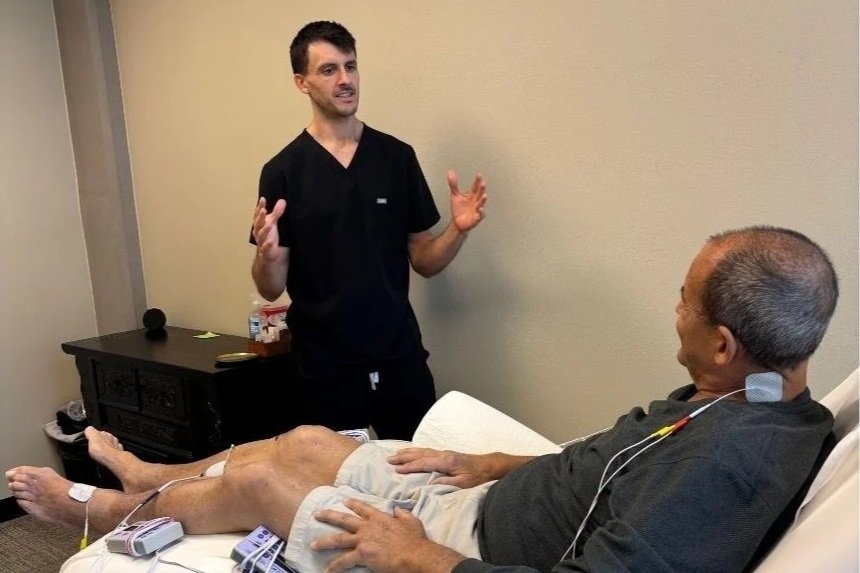
Understanding Acupuncture for Peripheral Neuropathy: Acupuncture uses very fine needles to stimulate the body’s healing responses. In neuropathy care, the goal is to support circulation, calm irritated nerve pathways, and improve function over time.
What to Expect During Acupuncture Sessions:
- Initial Evaluation: Your first visit includes a detailed review of your health history, daily symptoms, and contributing factors, along with a focused nerve and sensation assessment. This helps determine whether acupuncture for peripheral neuropathy is the right fit and what type of plan makes sense.
- How Many Sessions Are Needed? The number of acupuncture sessions needed for neuropathy varies from person to person. The most accurate estimate comes after the initial evaluation and nerve assessment, then becomes clearer as your body’s response patterns emerge over the first phase of care.
- Treatment Sessions: Needles are placed gently and most patients feel minimal discomfort. Many people feel calm and relaxed during the session.
- Duration of Sessions: Each session typically lasts 20 to 30 minutes.
Potential Signs of Improvement:
- Pain and Sensory Changes: Responses vary. Some patients notice early shifts, while others see gradual changes in discomfort, tingling, numbness, or temperature sensitivity as care progresses.
- Mobility and Balance: As symptoms settle, some patients feel steadier with walking and daily movement.
- Sleep and Overall Resilience: Many patients report better sleep and improved day-to-day coping as the nervous system calms down.
Integrating Acupuncture Effectively:
- Consistency Is Key: Treatment plans typically start with 2 to 3 sessions per week to build momentum, then adjust based on your response and goals as function changes over time.
- Track What Changes: Note shifts in pain, sensation, balance, sleep, and walking confidence. These details guide treatment decisions and keep progress measurable.
A focused plan, consistent care, and ongoing refinement are what make acupuncture for peripheral neuropathy a practical option for long-term symptom improvement and better function.
Take the Next Step Towards Nerve Health
Peripheral neuropathy can change how you move, sleep, and function day to day. Acupuncture offers a non-invasive option that supports nerve function and symptom stability over time, especially when care follows a structured plan rather than one-off visits.
If you are considering peripheral neuropathy care, the first step is a consultation. This visit reviews your history, current symptoms, and prior treatments, includes a detailed neurological evaluation, and clarifies whether this approach fits your case. From there, a clear treatment plan is outlined and adjusted over time based on how your nervous system responds.
To get started, call the clinic at +1 (503) 336-4747 or request a visit through our Peripheral Neuropathy Consultation page.
References:
- Yang Y, Rao C, Yin T, et al. Application and underlying mechanism of acupuncture for the nerve repair after peripheral nerve injury: remodeling of nerve system. Front Cell Neurosci. 2023;17:1253438. Published 2023 Oct 24. doi:10.3389/fncel.2023.1253438