Acupuncture for Chemotherapy-Induced Neuropathy Relief
Chemotherapy-induced peripheral neuropathy (CIPN) can be one of the most frustrating parts of cancer recovery. Burning, tingling, numbness, or stabbing pain in the hands and feet can make walking, sleeping, and everyday tasks much harder than they should be. At Nyberg Acupuncture & Wellness, we provide structured, non-invasive care for patients seeking treatment for chemotherapy-induced peripheral neuropathy. Our approach uses acupuncture and related therapies to reduce symptoms, support nerve recovery, and improve daily function without relying only on medication.

What Is Chemotherapy-Induced Peripheral Neuropathy?
Chemotherapy-induced peripheral neuropathy (CIPN) is a form of nerve damage caused by certain chemotherapy drugs. It commonly leads to symptoms such as numb feet, tingling, burning sensations, and sharp nerve pain in the hands and feet. These CIPN symptoms can make walking, sleeping, and daily tasks more difficult, often persisting even after cancer treatment has ended.
What Causes CIPN?
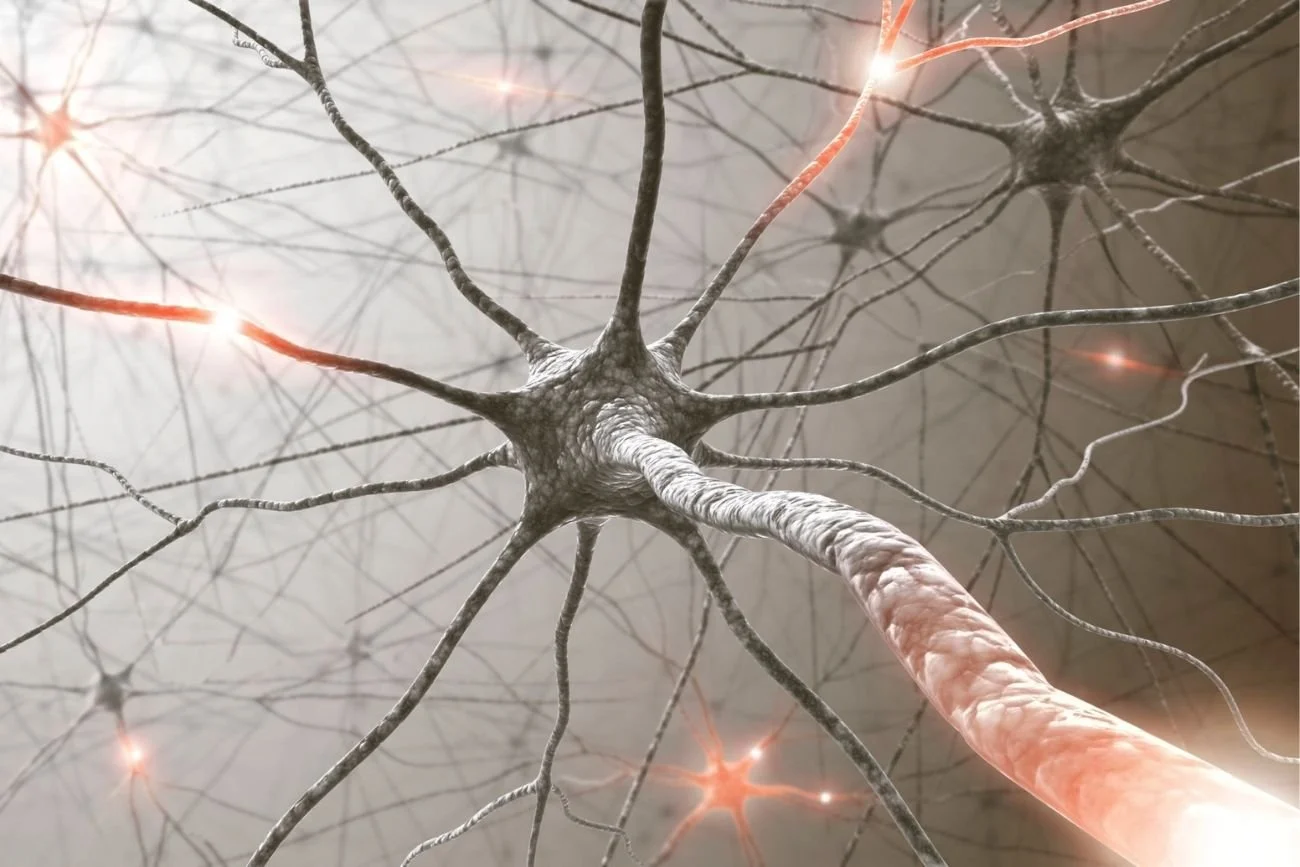
CIPN develops when chemotherapy damages the peripheral nerves responsible for sending signals between the brain, spinal cord, and the rest of the body. This disruption affects how nerves transmit sensation, leading to pain, numbness, and altered sensitivity.
Certain chemotherapy agents are more strongly associated with neuropathy from chemotherapy, including platinum-based drugs, taxanes, and vinca alkaloids. While these medications play an essential role in cancer treatment, their effects on the nervous system can lead to ongoing symptoms that require targeted care.
Common Symptoms of Chemotherapy-Induced Peripheral Neuropathy
Chemotherapy-induced peripheral neuropathy (CIPN) can present in different ways, but symptoms often involve nerve pain, numbness, and sensitivity in the hands and feet. These symptoms can interfere with movement, sleep, and daily activities.
Common CIPN symptoms include:
- Burning Pain: A persistent heat-like sensation in the hands or feet.
- Tingling and Numbness: Often described as "pins and needles" or numb feet from chemo.
- Sharp, Stabbing Pain: Sudden, intense bursts of nerve pain from chemo.
- Sensitivity to Touch: Even light contact may feel uncomfortable or painful.
- Muscle Weakness: Difficulty gripping objects or performing fine motor tasks.
- Coordination and Balance Issues: Reduced stability, increasing the risk of falls.
These symptoms often extend beyond physical discomfort, affecting independence, confidence, and overall quality of life.

How CIPN Impacts Daily Life
Patients frequently describe CIPN in vivid, relatable ways:
- "Walking on shards of glass."
- "Feet wrapped in tight bands of fire."
- "The sensation of walking on wet paint with socks filled with pebbles."
These descriptions reflect how disruptive neuropathy from chemotherapy can be, especially when symptoms persist over time. As symptoms progress or remain unresolved, everyday tasks can become increasingly difficult.
For patients looking to support balance and stability, targeted movement strategies may also be helpful. Learn more about exercises for neuropathy relief and balance.
Causes and Risk Factors Associated with CIPN
Chemotherapy-induced peripheral neuropathy (CIPN) develops due to the neurotoxic effects of certain cancer treatments. While these medications are essential for treating cancer, they can also damage peripheral nerves and disrupt normal nerve signaling.
Several chemotherapy drugs are known to contribute to CIPN, including:
- Platinum-based drugs (e.g., cisplatin, carboplatin, oxaliplatin)
- Taxanes (e.g., paclitaxel, docetaxel)
- Vinca alkaloids (e.g., vincristine, vinblastine)
- Proteasome inhibitors (e.g., bortezomib)
- Other agents (e.g., leucovorin)
The likelihood and severity of symptoms can vary based on:
- Type of chemotherapy drug
- Dosage and duration of treatment
- Individual patient factors (e.g., genetic predisposition, pre-existing nerve damage)
Why Managing Risk Factors Matters
Recognizing the causes and contributing factors of CIPN helps guide more effective treatment decisions. When nerve damage is identified early and addressed with appropriate therapies, patients are better positioned to reduce symptoms, maintain function, and improve quality of life during and after cancer treatment.
Limitations of Conventional CIPN Treatments
Conventional treatment for chemotherapy-induced peripheral neuropathy (CIPN) is typically focused on managing symptoms such as nerve pain, numbness, and sensitivity. While these approaches can provide some relief, they often do not fully address the ongoing impact of neuropathy from chemotherapy.
Medications
Medications are commonly used to manage nerve pain from chemo and may include:
- Pain relievers: Over-the-counter options like acetaminophen or ibuprofen, as well as prescription-strength medications.
- Antidepressants: Medications such as amitriptyline or duloxetine that can help regulate nerve-related pain.
- Anticonvulsants: Drugs like gabapentin and pregabalin that stabilize nerve signaling.
- Topical treatments: Creams or patches containing capsaicin or lidocaine for localized symptom relief.

While these medications can reduce discomfort, they are often associated with side effects such as drowsiness, dizziness, or gastrointestinal issues. In some cases, their effectiveness may decrease over time or require ongoing use to maintain results.
Physical Therapy and Lifestyle Adjustments
Supportive strategies such as physical therapy and lifestyle modifications are often recommended to help maintain function and reduce fall risk.
- Strengthening exercises: Improve muscle support and stability
- Balance training: Helps reduce the risk of falls
- Dietary changes: Support overall nerve health
- Avoiding alcohol and smoking: Reduces additional stress on the nervous system
These approaches can be helpful for maintaining mobility and overall health, but they do not directly target nerve repair.
Where Conventional Care Falls Short
Most conventional approaches focus on symptom control rather than improving nerve function. For patients seeking more complete treatment for chemotherapy-induced peripheral neuropathy, this can leave persistent symptoms such as numb feet, tingling, and ongoing nerve pain unresolved.
This gap in care is why many patients explore acupuncture as part of a structured treatment plan, particularly when symptoms continue despite standard medical management.
Treatment for Chemotherapy-Induced Peripheral Neuropathy
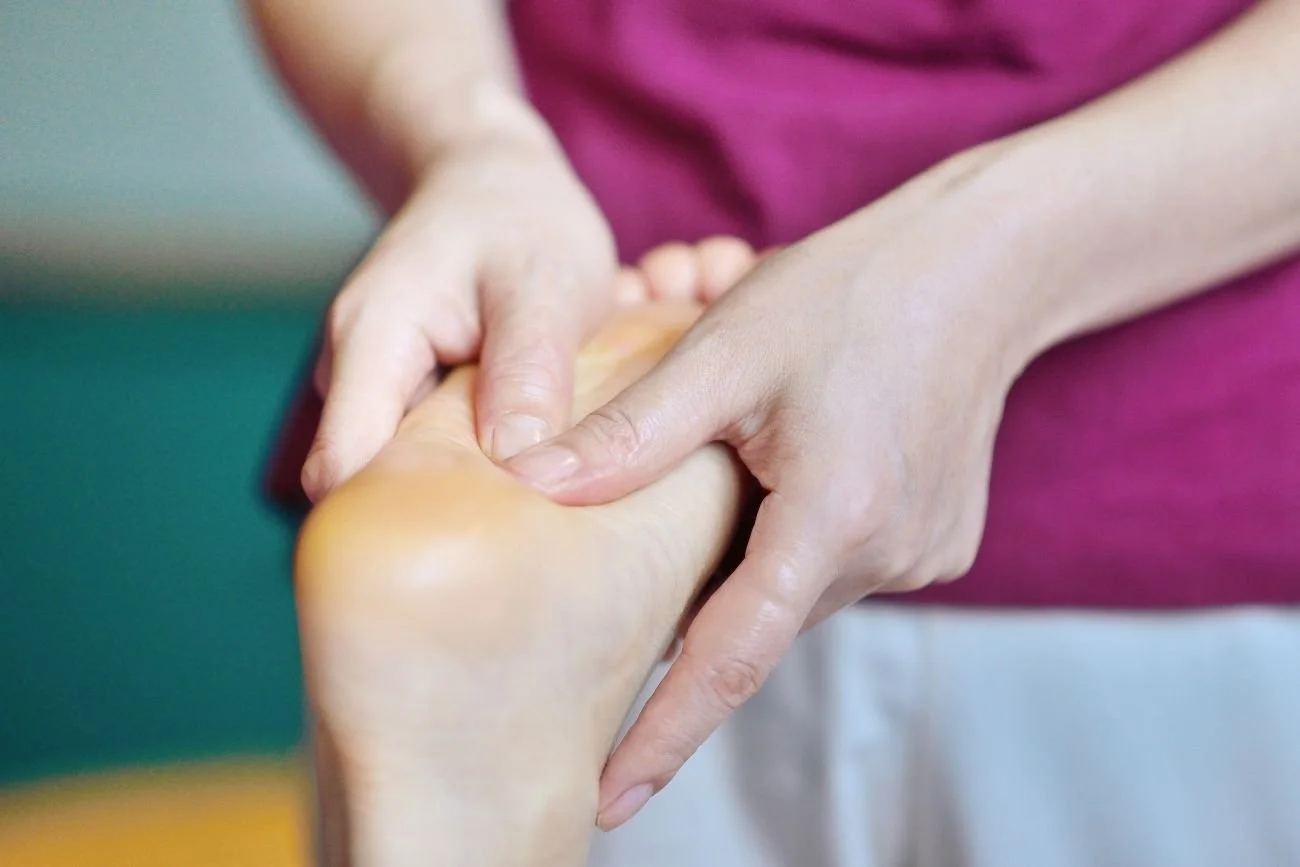
Acupuncture is a non-invasive treatment option for chemotherapy-induced peripheral neuropathy (CIPN) that focuses on reducing symptoms and supporting nerve recovery. For patients seeking treatment for chemo induced neuropathy, acupuncture can be used as part of a structured care plan to improve function, reduce discomfort, and support the healing process.
How Acupuncture Supports Nerve Repair
Acupuncture addresses several key aspects of CIPN:
- Pain Relief: Targeted stimulation helps reduce inflammation and modulate pain signaling, improving symptoms such as burning, tingling, and sharp nerve pain.
- Nerve Stimulation: Acupuncture activates nerve-rich areas, helping regulate the body’s pain response and increase endorphin release. Research also shows acupuncture supports nerve repair by improving blood flow, reducing inflammation, and stimulating nerve growth factors essential for regeneration.1
- Improved Circulation: Enhanced blood flow delivers oxygen and nutrients to damaged nerves, supporting tissue repair and helping restore normal nerve function.
Why We Combine Acupuncture with ATP Therapy
At Nyberg Acupuncture & Wellness, acupuncture is often combined with ATP Resonance BioTherapy® to further support nerve recovery in patients with CIPN.
ATP Resonance BioTherapy® uses targeted microcurrent to support the environment around damaged nerves. It works a bit like watering a plant. By stimulating blood vessel growth around peripheral nerves, this therapy helps deliver the nutrients and energy those nerves need to repair and recover.
Key effects of ATP Resonance BioTherapy® include:
- Supporting Cellular Energy Production: Microcurrent stimulation enhances mitochondrial function, which is important for repairing damaged nerve tissue.
- Promoting Nerve Recovery: Targeted application along affected pathways supports healthier nerve signaling and function over time.
- Improving Vascular Support: The therapy encourages blood vessel growth around peripheral nerves, helping deliver oxygen and nutrients needed for recovery.
When appropriate, care may also include therapies such as O3 ReBoot Therapy® as part of a broader treatment plan. This allows treatment to be adjusted over time based on the patient’s symptoms, response to care, and overall recovery needs.
By combining acupuncture with ATP Resonance BioTherapy®, treatment is directed at both symptom relief and the recovery of nerve function. This integrated approach is used to improve outcomes for patients experiencing ongoing neuropathy from chemotherapy.
For more detail on how acupuncture supports nerve repair and regeneration, see our guide to acupuncture for nerve pain.
Supporting Studies and Research on Acupuncture for CIPN
Research supports the use of acupuncture as a treatment for chemotherapy-induced peripheral neuropathy (CIPN), particularly for reducing pain, improving nerve function, and enhancing quality of life.
A study published in Pain Research and Management found that patients receiving acupuncture experienced significant reductions in CIPN symptoms, including decreased pain severity and improvements in sensory nerve conduction. Patients in the acupuncture group also reported higher satisfaction compared to those receiving conventional treatments such as vitamin B1 and gabapentin.2
A randomized controlled trial published in The Oncologist evaluated breast cancer survivors with CIPN and found that an 8-week acupuncture intervention improved sensory function and reduced pain severity. Participants also reported meaningful improvements in overall quality of life.3
Additional research published in Frontiers in Neurology helps explain how acupuncture supports recovery in neuropathy from chemotherapy. The study highlights mechanisms such as increased blood flow, reduced inflammation, and the stimulation of nerve growth factors, all of which are important for nerve repair following chemotherapy-related damage.1
Together, these findings indicate that acupuncture can play a meaningful role in the treatment of CIPN by reducing symptoms while also supporting the recovery of nerve function.
For a broader overview of how acupuncture is used in peripheral neuropathy care, read our guide to acupuncture for neuropathy →
Benefits of Acupuncture for Chemotherapy-Induced Neuropathy
Acupuncture is often used as part of a broader treatment plan for chemotherapy-induced peripheral neuropathy (CIPN), particularly for patients who continue to experience symptoms despite conventional care.
- Minimal Side Effects: Unlike many medications, acupuncture is non-invasive and generally well tolerated, without the common side effects such as fatigue, dizziness, or gastrointestinal issues.
- Supports Nerve Recovery: Acupuncture helps improve circulation, reduce inflammation, and support the biological processes involved in nerve repair. When combined with ATP Resonance BioTherapy®, it further supports conditions needed for nerve recovery.
- Individualized Care: Treatment is adjusted based on each patient’s symptoms, progression, and response to care, allowing for a more targeted approach over time.
- Addresses Persistent Symptoms: Conventional care often focuses on symptom control. Acupuncture is used to both reduce symptoms and support improved nerve function in patients with ongoing numbness, tingling, or nerve pain from chemo.
By integrating acupuncture with ATP Resonance BioTherapy®, and incorporating therapies such as O3 ReBoot Therapy® when appropriate, care is directed at both symptom reduction and the recovery of nerve function, providing a more complete approach to treatment for chemotherapy-induced peripheral neuropathy.
Success Stories and Patient Testimonials
Our patients’ experiences reflect how this approach can improve daily function and reduce the burden of CIPN symptoms.
- Henry's Journey: Henry, a cancer survivor, developed significant neuropathy following chemotherapy. After limited results with conventional care, he began treatment at our clinic and experienced meaningful reductions in pain along with improved mobility.
- Mary's Relief: Mary described her symptoms as a constant burning and tingling in her hands and feet, similar to the sensation of a limb falling asleep. With acupuncture and ATP Resonance BioTherapy®, she experienced a noticeable reduction in symptoms and was able to return to her normal activities with greater comfort.

These outcomes reflect the importance of individualized, ongoing care in managing neuropathy from chemotherapy.
Frequently Asked Questions About CIPN and Acupuncture
-
Research shows acupuncture can help reduce symptoms of chemotherapy-induced peripheral neuropathy, including pain, numbness, and tingling. It also supports circulation and the biological processes involved in nerve repair, making it a useful option for patients seeking treatment for chemo induced neuropathy.
-
Acupuncture is commonly used to address symptoms such as burning pain, tingling, numb feet from chemo, sensitivity to touch, and balance issues. Treatment is adjusted based on how symptoms present and how they change over time.
-
Acupuncture is generally considered safe and well tolerated when performed by a licensed practitioner. It is often used alongside conventional cancer care. Coordination with your oncology team is recommended to ensure your treatment plan remains appropriate for your condition.
-
Care at Nyberg Acupuncture & Wellness is structured and individualized. Treatment plans may include acupuncture, ATP Resonance BioTherapy®, and when appropriate, O3 ReBoot Therapy®. This approach focuses on reducing symptoms while supporting nerve function and adjusting care over time based on your response.
-
Response time varies depending on the severity of neuropathy, duration of symptoms, and overall health. Some patients notice early changes, while others require a longer course of care. Treatment plans are adjusted over time based on progress and response.
Take the Next Step Towards Relief from CIPN
Peripheral neuropathy can be difficult to manage, especially when symptoms persist after cancer treatment. At Nyberg Acupuncture & Wellness, care is focused on helping patients reduce symptoms and improve function through a structured, individualized approach.
If you are experiencing nerve pain, tingling, or numb feet from chemotherapy-induced peripheral neuropathy, it may be time to explore treatment options designed to support nerve recovery. Care plans are tailored to your symptoms and may include acupuncture along with therapies such as ATP Resonance BioTherapy®.
Request a call back through our neuropathy consultation form or call +1 (503) 336-4747 to speak with our team. This initial step allows us to better understand your symptoms and determine whether this approach is appropriate for your care.
References:
- Li L, Huang Y, An C, et al. Acupuncture in the treatment of chemotherapy-induced peripheral neuropathy: a meta-analysis and data mining. Front Neurol. 2024;15:1442841. Published 2024 Oct 29. doi:10.3389/fneur.2024.1442841
- Iravani S, Kazemi Motlagh AH, Emami Razavi SZ, et al. Effectiveness of Acupuncture Treatment on Chemotherapy-Induced Peripheral Neuropathy: A Pilot, Randomized, Assessor-Blinded, Controlled Trial. Pain Res Manag. 2020;2020:2504674. Published 2020 Jun 29. doi:10.1155/2020/2504674
- Lu W, Giobbie-Hurder A, Freedman RA, et al. Acupuncture for Chemotherapy-Induced Peripheral Neuropathy in Breast Cancer Survivors: A Randomized Controlled Pilot Trial. Oncologist. 2020;25(4):310-318. doi:10.1634/theoncologist.2019-0489