Acupuncture for Back Pain: A Non-Invasive Path to Relief
Back pain affects millions of people around the world,1 and it’s one of the leading causes of disability. Whether it’s from poor posture, muscle strain, or a herniated disc, symptoms can range from mild discomfort to pain that disrupts your day-to-day life. Acupuncture for back pain and lower back pain offers a non-invasive approach to relief, especially for people seeking alternatives to medication or surgery.2,3

If you’re tired of relying on medications or considering more invasive treatments, acupuncture offers a real, non-invasive alternative. It’s a safe and proven way to ease pain and improve function for chronic back pain or an acute flare-up.2,3
In this post, we’ll look at how acupuncture helps relieve back pain and what research shows.
Understanding Back Pain and Common Causes
Back pain is common and can affect people at any stage of life. It may develop from poor posture, muscle strain, degenerative changes, or ongoing stress, and identifying contributing factors is an important step toward effective care.1
Acupuncture has consistently shown benefit for many people with back pain by helping reduce pain, improve function, and support recovery when symptoms persist or recur.2,4
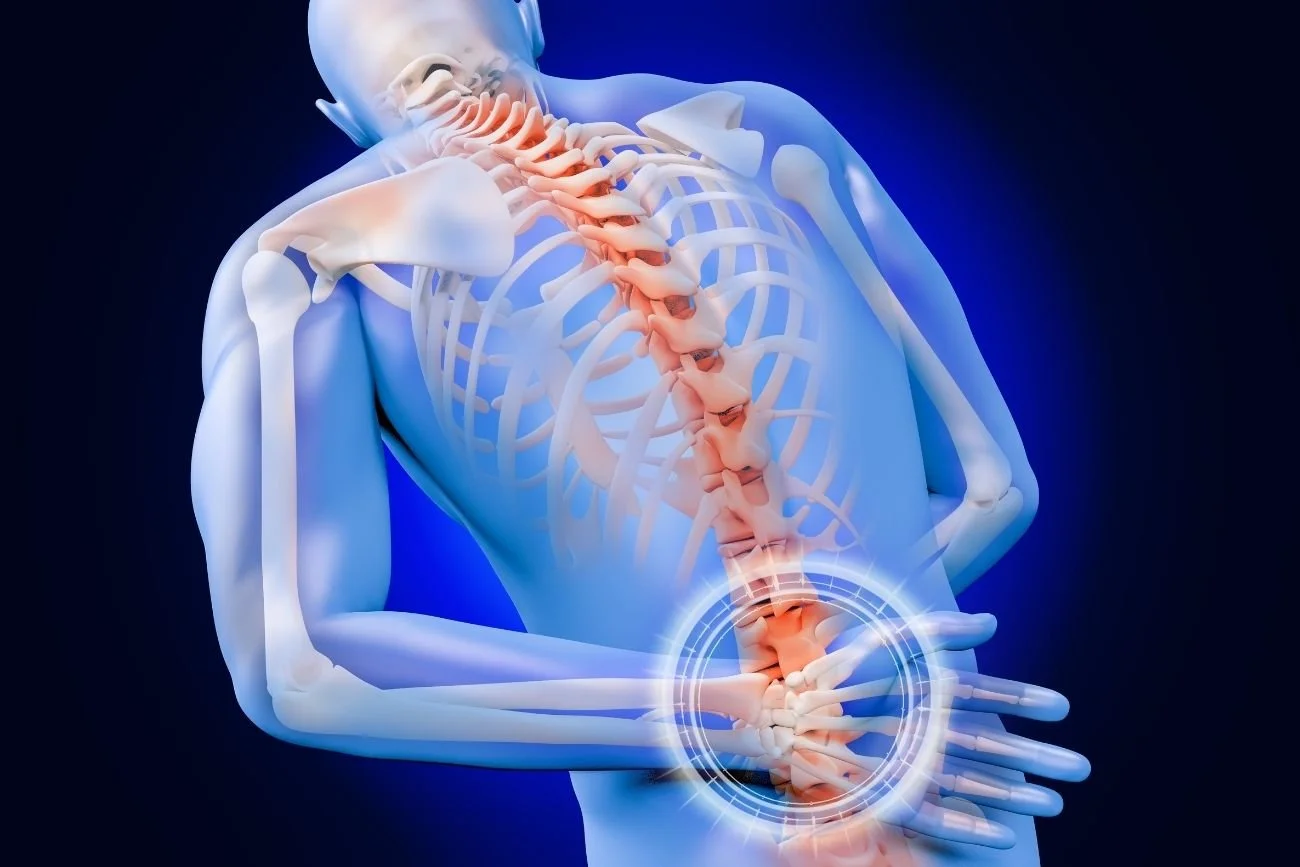
How Back Pain Develops in the Spine and Muscles
Your back is made up of bones, muscles, nerves, and connective tissues that work together to support movement and stability. The spine provides structure and protects the spinal cord, while surrounding muscles and ligaments help maintain alignment and absorb strain.
When one or more of these structures becomes irritated or overloaded, pain can develop. For example, a herniated disc occurs when disc material presses on nearby nerves, leading to pain, stiffness, or radiating symptoms. Acupuncture helps address these patterns by reducing inflammation and easing muscle tension, which may relieve pressure on affected nerves and tissues.4
Common Causes of Back Pain
Back pain can develop for many reasons, and in many cases, more than one factor is involved. Understanding what may be contributing to your pain helps guide a more effective treatment approach.
Some of the most common causes include:
- Muscle Strain: Overexertion, improper lifting, or repetitive movements can strain muscles and connective tissue, leading to acute or recurring pain. Acupuncture helps relax tight muscles, improve circulation, and support natural healing.
- Degenerative Disc Disease: As spinal discs lose hydration and flexibility over time, movement can become painful and restricted. Acupuncture can help reduce inflammation and support surrounding tissues, improving comfort and mobility.
- Herniated Disc: When disc material presses on nearby nerves, pain can radiate through the back or into the legs. Acupuncture is often used to reduce nerve irritation, ease muscle guarding, and manage pain without medication.
- Stress: Physical or emotional stress can contribute to persistent muscle tightness and amplify pain signals. Acupuncture helps regulate the stress response and relieve tension that may worsen back pain.
- Spinal Stenosis: Narrowing of the spinal canal can place pressure on nerves, leading to pain, stiffness, or weakness. Acupuncture is commonly used to help manage symptoms and improve daily function.
- Sciatica: Compression or irritation of the sciatic nerve often causes pain that travels from the lower back into the leg. Acupuncture can help calm nerve irritation and reduce radiating pain.
- Posture Issues: Prolonged sitting, poor ergonomics, or habitual posture patterns can overload the spine and surrounding muscles. Acupuncture supports muscular balance and helps relieve accumulated strain over time.
Because back pain often involves overlapping causes, treatment is most effective when it addresses more than just one structure or symptom.

Acupuncture not only helps relieve pain but has also been shown to improve function and reduce disability associated with back pain.2,3 If you’re dealing with ongoing pain or related conditions, you can explore the full range of conditions we treat, including chronic pain, on our Chronic Pain & More page.
Types of Back Pain
Understanding the type of back pain you’re experiencing helps guide appropriate treatment and expectations for recovery. Back pain is commonly grouped into three categories based on duration and underlying patterns:
- Acute Back Pain: Lasts a few days to a few weeks and is often caused by strain, injury, or overuse. Acupuncture can help reduce inflammation and ease muscle tension during this stage.2
- Subacute Back Pain: Persists from six weeks to three months and may indicate lingering inflammation or stress on the spine. Acupuncture can help improve mobility and support recovery.3
- Chronic Back Pain: Lasts longer than three months and is often linked to conditions like arthritis, degenerative disc disease, or spinal stenosis. Acupuncture supports long-term pain management by improving circulation and calming pain signals.2
Symptoms and Effects of Back Pain
Back pain affects more than just your body. Ongoing discomfort can influence how you move, sleep, work, and feel day to day. Recognizing the full impact of back pain helps explain why effective, whole-person treatment matters.
Physical Symptoms
Back pain can appear in several forms, depending on the underlying cause:

- Muscle Ache: A persistent, dull ache often linked to posture issues or muscle strain
- Shooting or Stabbing Pains: Sharp pain that may radiate into the legs or buttocks, commonly associated with sciatica
- Limited Flexibility: Stiffness that makes bending, twisting, or lifting difficult
- Numbness or Tingling: A “pins and needles” sensation in the legs or feet, often related to nerve compression such as spinal stenosis
- Pain that Worsens with Activities: Discomfort that worsens with standing, walking, or lifting and may ease with rest
Acupuncture helps by relaxing muscles, reducing inflammation, and improving flexibility, providing meaningful relief for many patients who follow their recommended treatment plans.2
Emotional and Mental Effects
Chronic back pain can also affect emotional well-being:
- Increased stress or anxiety related to persistent discomfort
- Low mood or frustration when pain limits daily life
- Sleep disruption that worsens pain and fatigue
Acupuncture supports nervous system regulation and stimulates endorphin release, which can help improve mood, reduce stress, and support better sleep.2
Impact on Daily Life
Back pain often interferes with routine activities, including:
- Work and concentration
- Sleep quality and energy levels
- Household tasks and physical activity
- Social and recreational participation
By addressing both pain and function, acupuncture can help people return to daily activities with greater comfort and confidence.
Acupuncture for Back and Lower Back Pain Relief
Acupuncture for back pain offers a non-invasive approach to relief, making it an appealing option for people who want to avoid surgery or long-term medication use. It works with the body’s natural healing processes to reduce pain, improve function, and support recovery with minimal side effects.

Principles of Acupuncture in Treating Pain
Think of your body like a busy transit system. When everything flows smoothly, movement feels easy and balanced. When there are blockages such as muscle tension, inflammation, or nerve irritation, pain and stiffness can develop.
Acupuncture helps restore that flow. Using very fine needles placed at specific points, acupuncture supports circulation, reduces tension, and helps regulate how the nervous system processes pain. This allows the body to shift out of a pain-driven state and into one that supports healing.
How Acupuncture Works for Back Pain
Acupuncture helps relieve back pain through several key mechanisms:
- Targeting pain and trigger points: Acupuncture focuses on areas of muscle tightness and irritation, helping muscles relax and reducing localized pain.
- Stimulating nerve-rich areas: By influencing nerve pathways, acupuncture can reduce pain signals sent to the brain while encouraging the release of endorphins, the body’s natural pain-relieving chemicals.
- Improving circulation: Increased blood flow supports tissue healing, reduces inflammation, and improves mobility in affected areas.

Why Acupuncture Works
Research shows that acupuncture can reduce pain and improve function in people with both acute and chronic back pain, offering meaningful relief without the risks associated with medications or invasive procedures.2,3
Many patients choose acupuncture because it addresses underlying contributors to pain rather than simply masking symptoms, making it a sustainable option for long-term care.
Customized Treatment Plans
Back pain rarely looks the same from one person to the next. Treatment plans are built around your specific pain patterns, contributing factors, and overall health, rather than a one-size-fits-all approach.

- Personalized Care: After a thorough assessment, your treatment plan may include acupuncture along with supportive therapies such as electroacupuncture, heat therapy, dry needling, ATP Resonance BioTherapy®, and O3 ReBoot Therapy®, when appropriate.
- Ongoing Adjustments: Care is adjusted over time based on how your body responds, helping treatment remain focused and effective as symptoms change.
- Integrated Support: Acupuncture remains the foundation of care, with advanced therapies used strategically to support healing, reduce pain, and improve function.
The Science Behind Acupuncture for Back Pain
Back pain can affect every part of life, from daily activities to emotional well-being. Research shows that acupuncture offers a safe, effective way to reduce pain, improve function, and support long-term recovery by working with the body’s natural healing mechanisms.
Evidence Supporting Acupuncture
Clinical research consistently supports acupuncture as an effective treatment for low back pain:
- The American Pain Society and the American College of Physicians recommend acupuncture as a first-line treatment for acute, subacute, and chronic low back pain, particularly when conventional treatments are ineffective or not well tolerated.5
- A 2021 review found acupuncture to be a safe and effective option for chronic low back pain, showing meaningful improvements in pain relief and mobility compared to standard care.6
- A meta-analysis published in the Journal of Pain reported that acupuncture reduced pain and improved function more effectively than many conventional treatments for chronic back pain.7
- A comprehensive review of patients with nonspecific chronic low back pain found that acupuncture significantly reduced pain and improved physical function, especially in individuals with long-standing symptoms that had not responded to other treatments.4
Biological Mechanisms of Acupuncture
Acupuncture supports pain relief through several well-documented physiological mechanisms:
- Endorphin Release: Acupuncture stimulates the release of endorphins, the body’s natural pain-relieving chemicals, which help reduce pain perception and support emotional well-being.7
- Nervous System Regulation: By stimulating specific points, acupuncture helps calm overactive pain signaling and supports balanced nerve activity, improving how the body processes pain.4
- Reduction of Inflammation: Acupuncture has been shown to reduce inflammatory activity, allowing tissues to heal and helping relieve pain associated with degenerative and chronic conditions.3
- Improved Circulation: Increased blood flow to affected areas supports tissue repair, reduces stiffness, and improves mobility, particularly in chronic musculoskeletal pain.3
How Acupuncture Compares to Other Treatments
Acupuncture offers a distinct advantage compared to many conventional approaches:
- Compared to Medication: Acupuncture provides pain relief without the risks associated with long-term medication use, including dependency and systemic side effects.
- Compared to Physical Therapy: Acupuncture can reduce pain and muscle tension, making it easier for patients to participate in movement-based rehabilitation when appropriate.
- Compared to Surgery: Many individuals use acupuncture to reduce symptoms and delay or avoid invasive procedures, particularly for chronic or degenerative back pain.
Long-Term Benefits of Acupuncture
One of the key advantages of acupuncture is its ability to support lasting improvement rather than short-term symptom relief. With consistent care, many people experience reduced pain, improved mobility, and better overall spinal function as the body has time to heal and rebalance.
Patients who follow their recommended treatment plans often find they can manage back pain with less reliance on medication or invasive interventions. Over time, this approach supports not only physical relief, but greater comfort, resilience, and quality of life.
Additional Ways to Help Manage Your Back Pain
Acupuncture is often most effective when combined with supportive habits that reduce strain on the body and promote healing. Simple adjustments to movement, nutrition, and stress management can help reinforce treatment results and support long-term back health.
Physical Activity and Movement
Gentle, consistent movement helps maintain strength, flexibility, and circulation, all of which are important for managing back pain.
- Low-impact activities such as walking, swimming, or cycling support circulation without overloading the spine.
- Core strengthening helps stabilize the back and reduce strain on spinal structures.
- Stretching and mobility work, including gentle yoga, can ease stiffness and improve range of motion.
Always choose movements that feel supportive and avoid pushing through pain.
Nutrition and Inflammation Support
Diet plays a role in tissue health and inflammation, which can influence back pain over time.
- Calcium and vitamin D support bone strength.
- Magnesium helps with muscle relaxation and nerve function.
- Anti-inflammatory foods such as fatty fish, berries, turmeric, and ginger may help reduce inflammation that contributes to pain.
A balanced, nutrient-rich diet supports overall recovery and resilience.
Mind-Body Support
Stress and nervous system overload can amplify pain and slow healing. Mind-body practices help calm the system and reduce pain sensitivity.

Mindset and self-talk also play an important role in how pain is processed. Many patients benefit from learning how positive self-talk can help calm the nervous system and reduce pain sensitivity.
- Meditation or mindful breathing can help reduce stress and support pain regulation.
- Yoga encourages gentle movement while supporting relaxation and body awareness.
- Tai chi promotes balance, posture, and controlled movement with minimal strain.
Success Stories: Acupuncture in Action
Acupuncture has helped many people regain comfort, mobility, and confidence after living with persistent back pain. At Nyberg Acupuncture & Wellness, patients often report both meaningful relief and lasting improvements in daily function.
Kathryn's Breakthrough from Chronic Pain

Kathryn, a 53-year-old graphic designer, lived with chronic lower back pain for nearly a decade. After trying multiple approaches without success, she began acupuncture care. Within one month, her pain levels decreased noticeably. After six months, she was able to return to normal activities. With ongoing monthly care, her back pain is now manageable rather than limiting.
John's Return to Golf
John, a retired veteran and avid golfer, developed acute back pain after a fall. Though initially skeptical, he noticed steady improvement after several acupuncture sessions. His pain decreased, flexibility improved, and he returned to golfing. Two years later, he continues periodic care and has had no recurrence of severe pain.
Emma’s Reduced Reliance on Medication
Emma, in her early 30s, managed back pain from a prior sports injury with medication. Concerned about long-term use, she pursued acupuncture. Over several weeks, her pain improved and her reliance on medication decreased. With continued care and lifestyle adjustments, she reports improved energy and overall well-being.
Long-Term Outcomes
Patients like Kathryn, John, and Emma commonly report reduced pain, improved mobility, better sleep, and greater confidence in daily movement. Many are able to return to activities they once avoided and rely less on medication as part of a structured, long-term care approach.

Integrating Acupuncture into Your Back Pain Management Plan
Acupuncture can be an effective part of a comprehensive plan for managing both acute and chronic back pain. Care begins with a consultation designed to understand your symptoms, health history, and prior treatments, and to determine whether this approach is appropriate for you. This approach reflects how care is structured across our Chronic Pain & More services, where treatment plans are built around complex or persistent pain patterns.
First Steps to Take
Your care begins with a consultation with Dr. Jeffrey Savage, DACM, LAc. This initial conversation focuses on understanding your current concerns, identifying contributing patterns, and outlining a structured treatment plan based on your needs.
If acupuncture is a good fit, treatment may begin during the same visit. This allows care to move forward efficiently while ensuring the plan feels appropriate and clearly understood.
To prepare for your appointment, bring any relevant medical records or information related to prior back pain treatment. Wearing loose, comfortable clothing is recommended for comfort during the session.
What to Expect
During the Acupuncture Session:
Acupuncture involves the placement of fine needles at specific points related to pain regulation and healing. Points are selected based on your overall presentation rather than only the location of pain. Most patients experience minimal discomfort, and sessions are often described as calming or relaxing.
Frequency and Duration of Care:
Treatment frequency depends on the severity and duration of symptoms. Some individuals notice improvement early in care, while chronic or complex pain patterns may require a longer treatment course. Recommendations are adjusted over time based on how your body responds.
Ongoing Assessment:
Progress is reviewed regularly, and treatment plans are refined as needed to remain focused and appropriate. This approach helps ensure care stays aligned with your goals and recovery timeline.
Taking the First Step Towards a Pain-Free Life
Chronic back pain can limit movement, disrupt daily routines, and affect overall quality of life. Acupuncture offers a non-invasive approach that supports pain relief, improved mobility, and long-term function by working with the body’s natural healing processes.
If back pain has become persistent or difficult to manage, acupuncture may be a meaningful next step. Care at Nyberg Acupuncture & Wellness is structured, personalized, and focused on understanding contributing factors rather than simply managing symptoms.
The process begins with a consultation to review your history, current symptoms, and prior treatments, and to determine whether this approach is a good fit. From there, a clear treatment plan is outlined based on your needs and goals.
If you’re ready to explore your options, you can schedule a consultation or call the clinic directly at +1 (503) 336-4747.
References:
- Fact Sheet: Low back pain. World Health Organization. June 19, 2023. Accessed July 2, 2024. https://www.who.int/news-room/fact-sheets/detail/low-back-pain
- Vickers AJ, Cronin AM, Maschino AC, et al. Acupuncture for chronic pain: individual patient data meta-analysis. Arch Intern Med. 2012;172(19):1444-1453. doi:10.1001/archinternmed.2012.3654
- Lin H, Wang X, Feng Y, et al. Acupuncture Versus Oral Medications for Acute/Subacute Non-Specific Low Back Pain: A Systematic Review and Meta-Analysis. Curr Pain Headache Rep. 2024;28(6):489-500. doi:10.1007/s11916-023-01201-7
- Lam M, Galvin R, Curry P. Effectiveness of acupuncture for nonspecific chronic low back pain: a systematic review and meta-analysis. Spine (Phila Pa 1976). 2013;38(24):2124-2138. doi:10.1097/01.brs.0000435025.65564.b7
- Qaseem A, Wilt TJ, McLean RM, et al. Noninvasive Treatments for Acute, Subacute, and Chronic Low Back Pain: A Clinical Practice Guideline From the American College of Physicians. Ann Intern Med. 2017;166(7):514-530. doi:10.7326/M16-2367
- Urits I, Wang JK, Yancey K, et al. Acupuncture for the Management of Low Back Pain. Curr Pain Headache Rep. 2021;25(1):2. Published 2021 Jan 14. doi:10.1007/s11916-020-00919-y
- Vickers AJ, Vertosick EA, Lewith G, et al. Acupuncture for Chronic Pain: Update of an Individual Patient Data Meta-Analysis. J Pain. 2018;19(5):455-474. doi:10.1016/j.jpain.2017.11.005