Acupuncture for TMD (TMJ) Pain Relief and Jaw Dysfunction
Temporomandibular disorders (TMD), often called TMJ disorders, can cause persistent jaw pain, muscle tightness, and limited movement that interferes with eating, speaking, and sleep. For many people, symptoms do not resolve on their own and may gradually worsen without proper evaluation and care.

TMD rarely develops from a single issue. Jaw injury, arthritis, teeth grinding, and chronic muscle tension often combine to create ongoing inflammation and dysfunction in the joint and surrounding tissues. When these contributing factors are not addressed, symptoms can become chronic.
Acupuncture is a non-invasive treatment option used to reduce muscle tension, calm local inflammation, and improve jaw mobility. As part of a structured treatment plan, acupuncture for TMD pain can support long-term management rather than temporary symptom suppression.
When symptoms persist despite self-care measures or dental intervention, additional treatment options may be appropriate.
Below, we outline common causes of TMD, the symptoms that typically bring patients into care, and how acupuncture treatment fits into a comprehensive approach to TMJ pain.
Understanding the Causes of TMD
In many patients, TMD reflects the combined effects of mechanical stress, inflammation, and muscular imbalance. These contributing factors disrupt the normal mechanics of the jaw joint and surrounding muscles. Identifying which patterns are driving your symptoms is an important first step in determining the most appropriate TMD treatment approach.

- Jaw Injury: Direct trauma to the jaw or temporomandibular joint can alter joint mechanics and lead to persistent inflammation or muscle guarding. This may occur after sports injuries, accidents, or certain dental procedures.
- Arthritis: Degenerative and inflammatory conditions such as rheumatoid arthritis and osteoarthritis can affect the temporomandibular joint, contributing to stiffness, structural changes, and chronic jaw pain.
- Teeth Grinding and Clenching (Bruxism): Repetitive clenching or grinding places sustained pressure on the joint and surrounding muscles. Over time, this can create muscle tension, irritation, and pain that becomes self-perpetuating.
- Misalignment of Teeth or Jaw: Structural imbalances can change how force is distributed through the jaw during chewing and speaking. This altered loading pattern may contribute to muscle strain and joint irritation.
- Stress-Related Muscle Tension: Psychological stress often presents physically as jaw tightening or clenching. When this pattern becomes habitual, it can maintain inflammation and muscular dysfunction.
Because TMD often reflects a combination of mechanical, inflammatory, and muscular factors, effective treatment typically requires more than symptom suppression. A structured evaluation helps determine which contributing patterns are driving pain so that care can be adjusted accordingly.
Symptoms of TMD and How They Affect Daily Life
Temporomandibular disorders (TMD) can present in different ways, but most patients seeking TMJ treatment describe a pattern of persistent discomfort that interferes with normal jaw function. Symptoms may fluctuate, yet often become more frequent or more intense over time.
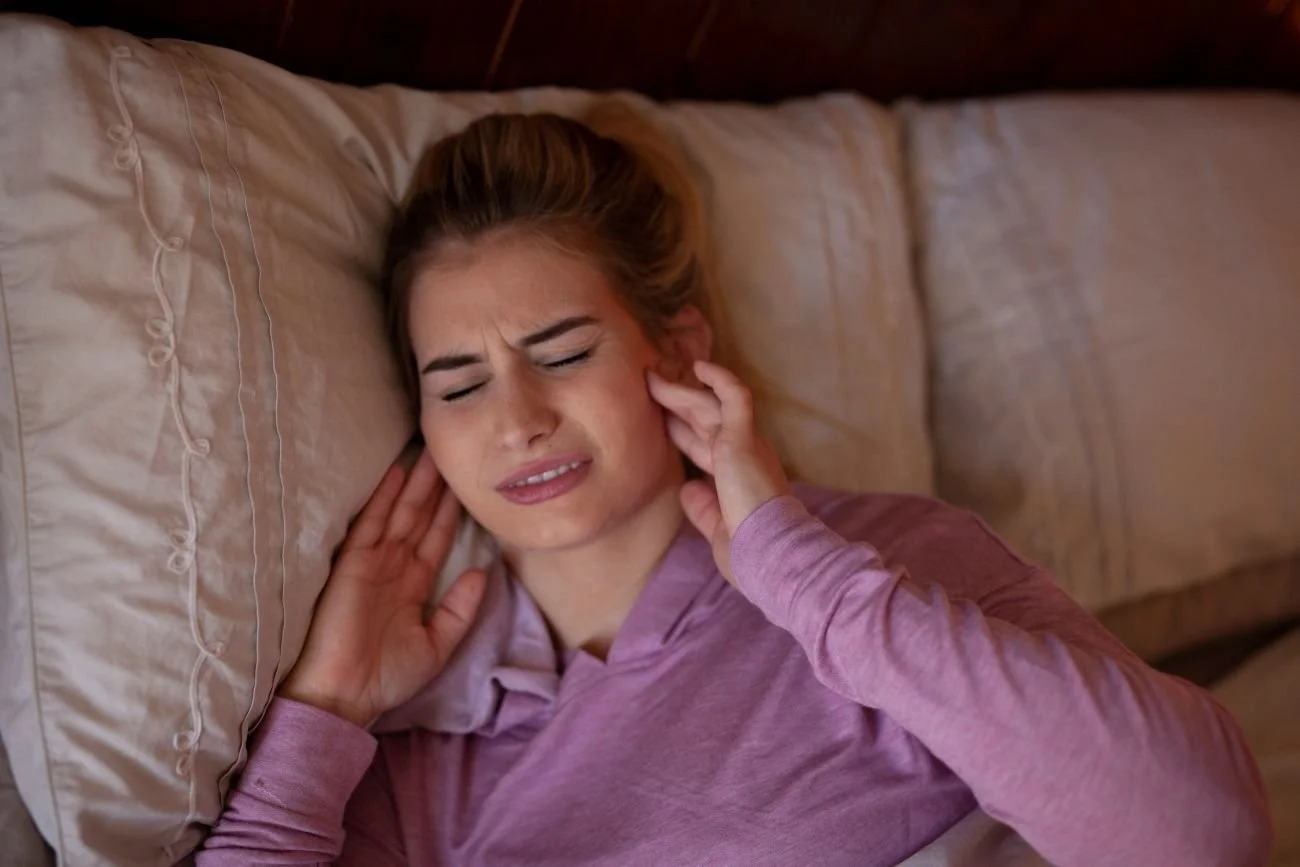
Common symptoms include:
- Jaw Pain and Tenderness: Aching or sharp pain around the jaw joint, ears, temples, or neck. Discomfort may radiate into the shoulders and worsen with chewing or prolonged speaking.
- Clicking or Popping Sensations: Audible or palpable clicking when opening or closing the mouth. While not always painful, these changes can signal altered joint mechanics.
- Limited Jaw Movement: Difficulty opening the mouth fully or moving the jaw smoothly. This can make eating, dental care, and even conversation uncomfortable.
- Jaw Locking: Episodes where the jaw catches or temporarily locks in an open or closed position, creating anxiety and functional limitation.
- Ear Pressure or Fullness: Sensations often mistaken for ear infection, despite normal ear exams.
Over time, these symptoms can affect nutrition, sleep quality, concentration, and overall well-being. Many patients begin modifying how they eat, speak, or yawn to avoid triggering pain. When these patterns persist, structured treatment for TMD becomes an important consideration rather than a temporary fix.
Ways to Reduce Strain and Support Your Jaw
While self-care does not replace structured treatment, certain adjustments can help reduce irritation between visits and prevent symptoms from escalating.

- Stress Regulation: Ongoing muscle tension is often tied to stress patterns. Gentle breathing exercises, restorative movement, or guided relaxation can help decrease habitual jaw clenching.
- Temporary Diet Adjustments: Choosing softer foods and avoiding hard, chewy, or crunchy items can reduce mechanical stress on the temporomandibular joint during flare-ups.
- Heat or Cold Application: Warm compresses may relax tight muscles, while short periods of cold application can calm inflammation. The most appropriate approach depends on your presentation.
- Targeted Jaw Exercises: In some cases, controlled mobility exercises can support improved range of motion. These should be introduced carefully and adjusted based on individual response.
- Awareness of Clenching Patterns: Many people are unaware of daytime jaw tension. Bringing attention to repetitive clenching can help limit ongoing irritation.
These measures may provide temporary relief. However, when jaw pain becomes persistent, recurrent, or progressively limiting, a comprehensive evaluation is often necessary to address the underlying contributors driving TMD.
Acupuncture for TMD (TMJ) Treatment
For patients dealing with persistent jaw pain, limited movement, or recurrent flare-ups, acupuncture can be integrated into a structured TMD treatment plan. Rather than masking symptoms, care is directed toward reducing muscular tension, calming local inflammation, and improving joint mechanics over time.
Acupuncture treatment for TMJ pain typically focuses on:
- Reducing Pain Signaling: Targeted needle placement helps modulate pain pathways and decrease the intensity of jaw discomfort.
- Releasing Chronic Muscle Tension: Tight muscles surrounding the jaw, temples, and neck often maintain TMD symptoms. Treatment works to gradually reduce this guarding pattern.
- Improving Jaw Mobility: As tension and inflammation decrease, many patients experience smoother movement and fewer mechanical symptoms such as catching or locking.
- Addressing Stress-Related Patterns: Because jaw tension frequently correlates with stress physiology, treatment may also support nervous system regulation.
Care is individualized and adjusted based on response. Frequency, duration, and technique are guided by ongoing assessment rather than a fixed protocol. This approach reflects how treatment is structured across our chronic pain services, where care is built around complex or persistent pain patterns.
Clinical research supports the role of acupuncture in managing temporomandibular disorders. A study published in The Clinical Journal of Pain found that patients receiving acupuncture experienced a significant reduction in pain intensity compared to those in a placebo treatment group.1
Another study reported that acupuncture reduced pain scores by an average of 2.5 points and improved jaw function while decreasing TMD-related myofascial pain.2
These findings support acupuncture as a non-invasive option within a comprehensive TMJ treatment approach.
For patients who have tried night guards, medications, or rest without lasting improvement, acupuncture may represent a structured next step in care.
Frequently Asked Questions About Acupuncture for TMD (TMJ)
-
Research suggests acupuncture can reduce pain intensity and improve jaw function in temporomandibular disorders. Results vary depending on the contributing factors. Treatment is most effective as part of a structured plan based on your individual needs rather than as a one-time intervention.
-
The number of sessions depends on symptom duration, severity, and underlying contributors such as muscle tension, arthritis, or teeth grinding. Acute cases may improve more quickly, while chronic TMD will require a longer duration of care with periodic reassessment and adjustment.
-
Most patients describe the sensation as mild and brief. The needles used are very thin, and treatment is generally well tolerated. While some points near the jaw may feel sensitive, treatment is not limited to the jaw itself. Points on the neck, shoulders, and other areas may also be used depending on your presentation.
-
Clicking and locking often relate to joint mechanics and muscle imbalance. Acupuncture may help reduce surrounding tension and inflammation, which can improve movement. Structural joint changes may require coordinated care depending on severity.
-
Not necessarily. In some cases, dental appliances or orthodontic care may still be appropriate. Acupuncture can be integrated into a broader TMJ treatment plan when muscular tension and pain are significant contributors.
-
If jaw pain is persistent, worsening, interfering with eating or sleep, or accompanied by locking or restricted movement, it is reasonable to seek evaluation. Early evaluation may help prevent symptoms from becoming more entrenched.
Begin Treatment for TMD (TMJ) Pain
Persistent jaw pain is rarely just an inconvenience. When temporomandibular disorders begin affecting how you eat, speak, or sleep, it is often a sign that underlying mechanical and muscular patterns need structured attention.
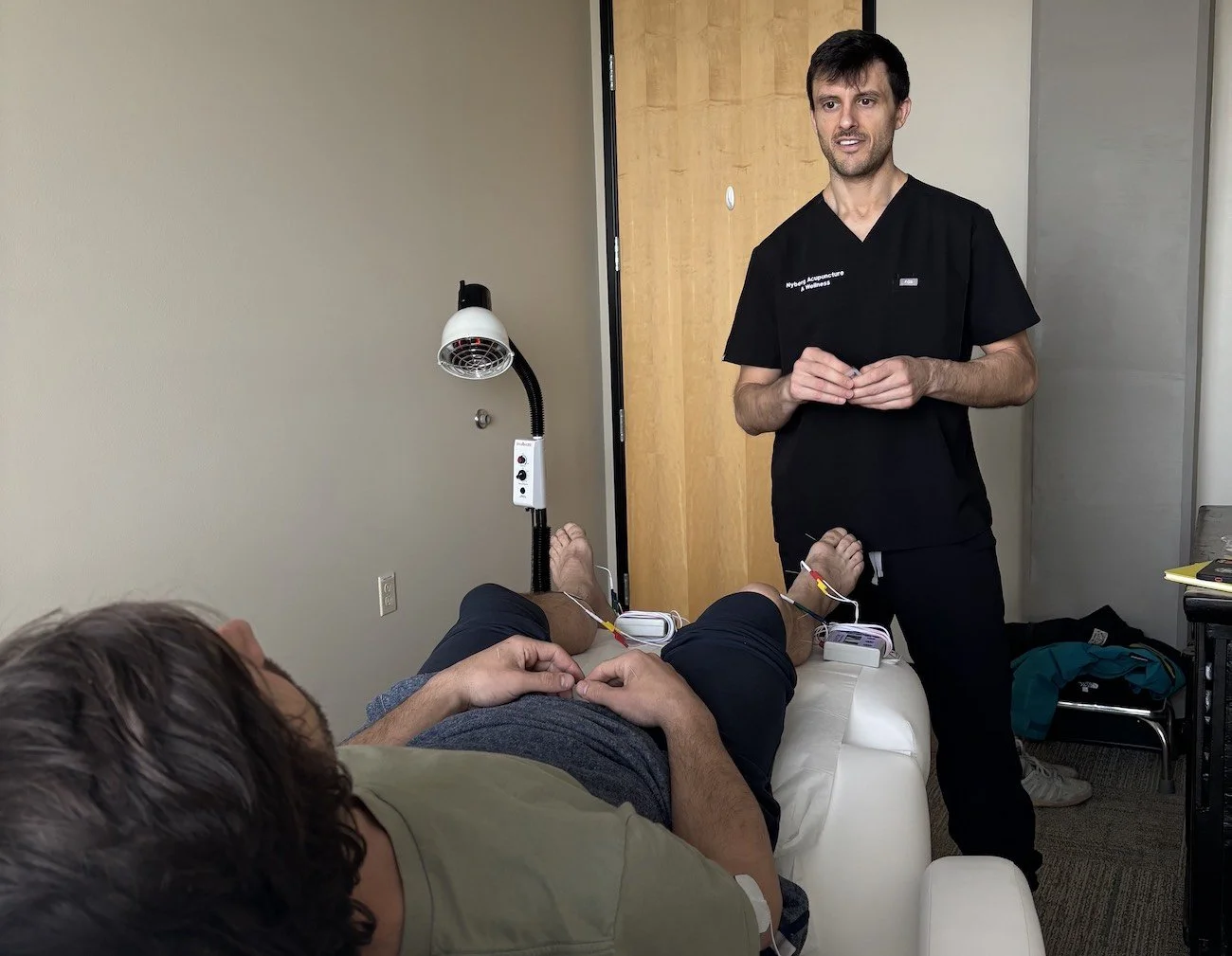
Acupuncture can be incorporated into a comprehensive TMD treatment plan focused on reducing pain, improving jaw function, and addressing the factors contributing to ongoing irritation. Care begins with a thorough evaluation and continues with adjustments based on how your symptoms respond over time.
If you are ready to pursue treatment for TMJ pain, the best way to get started is to call us directly at +1 503 336 4747.
If you prefer not to call right away, you may also request a consultation by submitting your information. We will personally follow up by phone to schedule your visit so you can review your symptoms, discuss contributing factors, and determine whether a structured acupuncture plan is appropriate for your situation.
References:
- Ritenbaugh C, Hammerschlag R, Calabrese C, Mist S, Aickin M, Sutherland E, et al. Acupuncture in the treatment of pain in temporomandibular disorders: a randomized controlled trial. Clin J Pain. 2010;26(6):526-530.
- Shen YF, Goddard G. Acupuncture therapy for the symptoms of temporomandibular disorders. J Oral Rehabil. 2007;34(10):781-787.