Acupuncture for Hip Pain: Non-Surgical Pain Treatment
Hip pain can gradually limit how people move through daily life. For some, it begins as occasional discomfort during activity. For others, it develops into persistent pain that affects walking, sleep, or exercise. Because the hip joint carries significant load during standing and movement, even small changes in joint mechanics or surrounding tissue can lead to ongoing irritation and reduced mobility.

When hip pain continues despite rest, medication, or physical therapy, many patients begin looking for non-surgical treatment options. Acupuncture is one approach that can support pain management, improve circulation to affected tissues, and help regulate nervous system responses involved in chronic pain.
This article explains common causes of hip pain, traditional treatment approaches, and how acupuncture for hip pain may be used as part of a structured treatment plan. It also discusses how acupuncture may support patients managing chronic hip conditions and those recovering from hip surgery.
Types of Hip Pain and Their Causes
Hip pain can arise from a range of structural, inflammatory, and nerve-related conditions. Identifying the underlying cause is an important first step in choosing the most appropriate hip pain treatment. Common causes include:
1. Arthritis-Related Hip Pain
- Osteoarthritis: A degenerative condition that gradually wears down cartilage within the hip joint, often leading to stiffness, reduced mobility, and persistent pain.
- Rheumatoid Arthritis: An autoimmune condition that causes inflammation of joint linings and can affect both hips.

2. Hip Dysplasia
A structural condition in which the hip socket does not fully cover the ball of the femur. Over time, this instability can contribute to joint irritation, cartilage damage, and chronic hip pain.
3. Hip Fractures
Hip fractures most commonly occur in older adults, particularly those with osteoporosis. These injuries typically cause sudden, severe pain and require urgent medical evaluation.
4. Bursitis
Bursitis occurs when the fluid-filled bursae surrounding the hip joint become inflamed. Pain is often felt on the outer portion of the hip and may worsen when lying on the affected side or climbing stairs.
5. Tendinitis
Tendinitis involves irritation or inflammation of the tendons that support the hip joint. It often develops after repetitive activity or a sudden increase in physical demand.
6. Muscle Strains and Sprains
Strains or sprains affecting the muscles and ligaments around the hip can occur after overuse, sudden movement, or lifting injuries. These conditions may cause localized pain, stiffness, and reduced mobility.
7. Hip Labral Tear
The labrum is a ring of cartilage that helps stabilize the hip socket. Tears may develop from trauma, repetitive motion, or structural conditions such as hip impingement.
8. Hip Impingement (FAI)
Femoroacetabular impingement occurs when the bones of the hip joint make abnormal contact during movement. Over time, this can lead to joint irritation, cartilage damage, and persistent hip pain.
9. Sciatica
Sciatica occurs when the sciatic nerve becomes compressed or irritated. Pain may radiate from the lower back through the hip and down the leg. Many patients experiencing this pattern of symptoms seek care for sciatica when the discomfort persists.
10. Infections
Although less common, infections within the hip joint can cause severe pain, swelling, fever, and limited movement. These cases require prompt medical attention.
Identifying Your Hip Pain
Determining the source of hip pain begins with a thorough clinical evaluation. Because symptoms can overlap between different conditions, understanding contributing factors helps guide the most appropriate treatment plan.
Pain felt around the hip or buttock doesn't always originate in the hip joint. When discomfort extends into the legs, worsens during walking or standing and improves with sitting, lumbar spinal stenosis is another possible cause.
Your provider may recommend:
- Medical History Review: A discussion of your symptoms, when they began, and what activities make them better or worse.
- Physical Examination: Assessment of hip mobility, strength, and areas of tenderness to better understand joint function.
- Imaging Tests: X-rays, MRI scans, or CT imaging may be used to evaluate the joint structure and surrounding tissues.
Managing Hip Pain
Whether hip pain develops from arthritis, bursitis, injury, or nerve irritation, early evaluation can help prevent the condition from becoming more difficult to manage. Treatment often involves a combination of approaches aimed at reducing pain, restoring mobility, and supporting long-term joint health.
In the next section, we’ll review common medical treatments as well as non-surgical options such as acupuncture for hip pain.
Traditional Treatments for Hip Pain
Many patients begin hip pain treatment with conventional medical approaches. These strategies can help manage inflammation and improve mobility, particularly in the early stages of injury or joint irritation. However, when symptoms persist or return repeatedly, additional treatment approaches are often considered.

1. Medications
Medications are commonly used to reduce inflammation and manage short-term pain:
- NSAIDs such as ibuprofen or naproxen are often used as first-line anti-inflammatory medications.
- Acetaminophen may be recommended for patients who cannot tolerate NSAIDs.
- Corticosteroids may be prescribed orally or injected into the joint to reduce inflammation for a limited period of time.
While medications may help control symptoms, they typically do not address the underlying mechanical or inflammatory contributors to chronic hip pain.
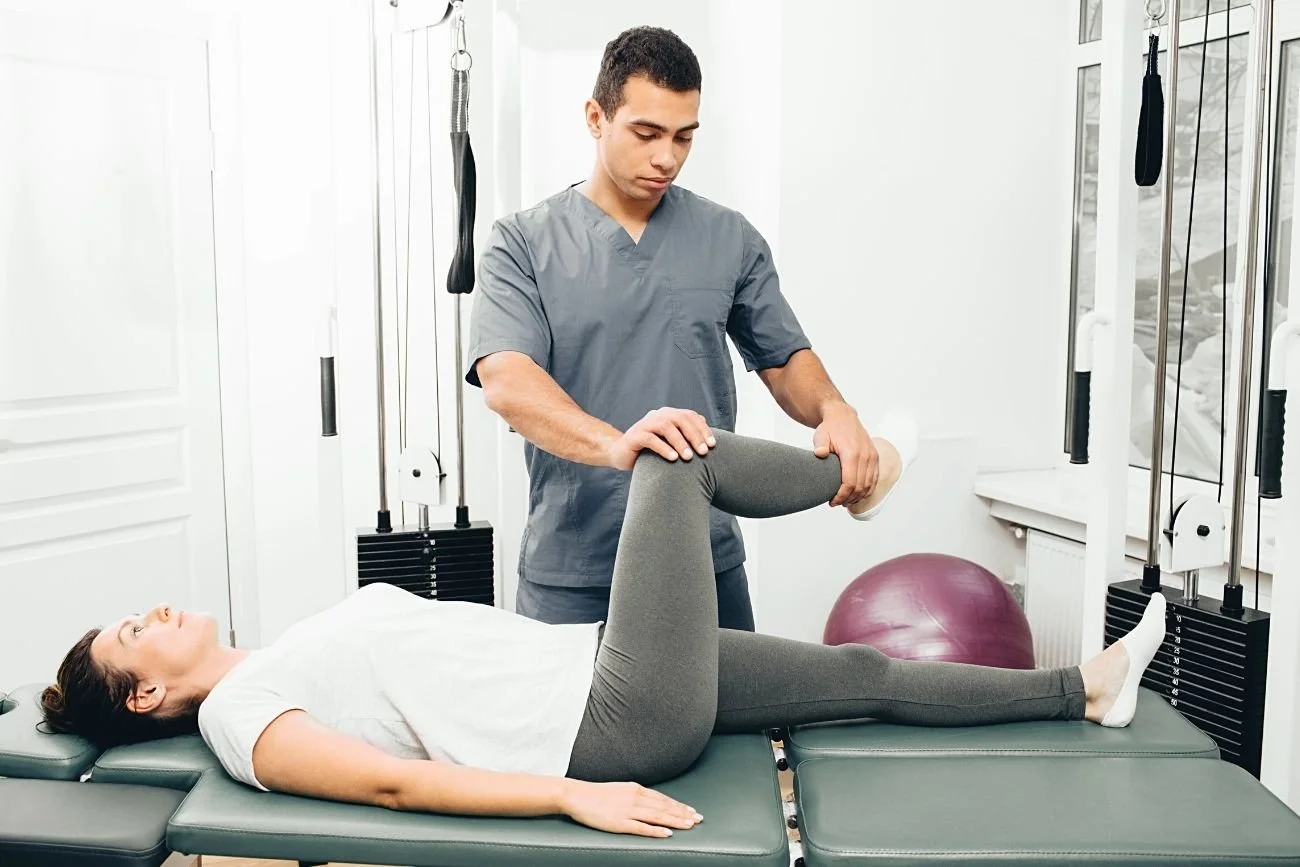
2. Physical Therapy
Physical therapy is frequently recommended to strengthen muscles surrounding the hip joint, improve flexibility, and restore range of motion. Treatment programs often focus on stabilizing the joint and improving movement patterns that may be contributing to irritation.
3. Lifestyle Modifications
Adjustments in daily activity can help reduce strain on the hip joint and support long-term joint health. Common strategies include:
- Weight management to reduce load on the hip joint
- Activity modification to avoid movements that repeatedly aggravate symptoms
- Ergonomic adjustments such as supportive seating or footwear
4. Assistive Devices
For individuals with more advanced joint irritation or mobility limitations, assistive devices may help reduce pressure on the hip during movement. Options may include canes, walkers, or custom orthotic inserts.
5. Injections and Procedures
When symptoms persist despite conservative care, physicians may recommend additional interventions:
- Hyaluronic acid injections may be used to improve joint lubrication in some cases of osteoarthritis.1
- Platelet-Rich Plasma (PRP) therapy is sometimes used to support tissue healing and reduce inflammation.
6. Surgical Options
Surgical treatment may be considered when conservative approaches fail to provide sufficient improvement or when structural damage within the joint is significant.
Common procedures include:
- Hip arthroscopy to repair labral tears or address femoroacetabular impingement (FAI)
- Hip resurfacing or total hip replacement in advanced joint degeneration
- Periacetabular osteotomy (PAO) to correct structural abnormalities associated with hip dysplasia
Post-Surgery Management
Recovery after hip surgery requires a structured rehabilitation process focused on protecting the joint, restoring mobility, and supporting long-term function. Even when surgery corrects structural problems, surrounding muscles, connective tissue, and nerve pathways often need time and guided care to fully recover.

- Pain Management: Post-surgical pain is typically managed with medications such as opioids, NSAIDs, or acetaminophen. Supportive therapies including ice therapy, heat therapy, and contrast therapy (alternating heat and cold) may also be used to help control inflammation and support circulation during recovery.
- Physical Therapy and Rehabilitation: Movement-based rehabilitation is an important part of recovery. Physical therapy often begins with gentle range-of-motion work and gradually progresses to strengthening exercises and gait retraining as healing progresses.
- Activity Modification: Temporary changes in activity help protect the healing joint. Avoiding high-impact movements and using assistive devices such as walkers or canes can reduce stress on the hip during the early stages of recovery.
- Wound Care and Infection Prevention: Following surgical wound care instructions helps reduce the risk of infection. Patients should report symptoms such as increasing redness, swelling, or drainage to their surgical team promptly.
- Follow-Up Appointments: Regular follow-up visits allow the surgical team to monitor healing, evaluate joint function, and adjust medications or rehabilitation plans as needed.
- Lifestyle Adjustments: Long-term recovery often includes maintaining a healthy body weight, continuing low-impact exercise, and supporting joint stability through ongoing strengthening and mobility work.
For some patients, acupuncture may be incorporated during the recovery process to help manage post-surgical pain and support rehabilitation. Research has shown that certain forms of acupuncture may reduce postoperative pain and decrease opioid use following surgery.2
Acupuncture for Hip Pain
For patients dealing with persistent hip pain or limited improvement from conventional care, acupuncture may be considered as part of a broader treatment strategy. When integrated into a structured treatment plan, acupuncture can help regulate pain signaling, improve circulation to affected tissues, and support recovery in chronic or post-surgical conditions.
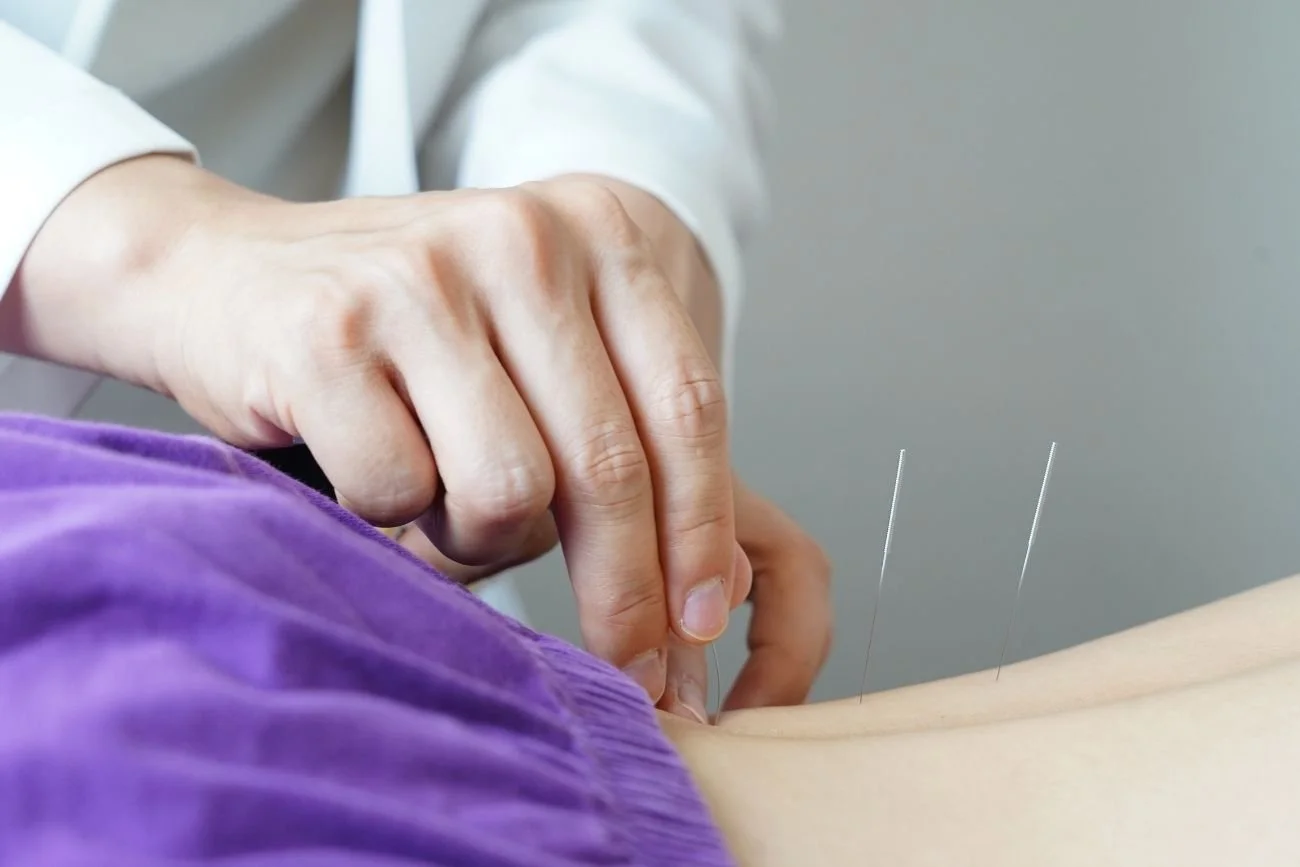
1. How Acupuncture Works
Acupuncture involves the placement of very fine, sterile needles at specific points on the body. These points are selected based on the patient’s symptoms, physical examination findings, and contributing pain patterns.
Treatment may help:
- Stimulate the release of endorphins, the body's natural pain-relieving chemicals
- Improve local blood circulation to irritated muscles and connective tissue
- Influence nervous system activity, helping regulate pain signaling pathways
2. Is Acupuncture Effective for Hip Pain?
Clinical research supports acupuncture as a treatment option for conditions such as hip osteoarthritis, bursitis, sciatica, and other causes of chronic hip pain.3–5 It is commonly used alongside other treatments when symptoms persist or when patients are seeking non-surgical options.
- Pain Relief: A 2023 systematic review by Park et al. found that patients receiving acupuncture experienced significant pain reduction compared to those receiving conventional treatments alone.3
- Reduced Inflammation: Research suggests acupuncture may help regulate inflammatory activity and improve circulation within affected joints and surrounding tissues.4
- Improved Joint Function: In a clinical study comparing electroacupuncture with medication, patients receiving acupuncture demonstrated improvements in hip function, walking ability, and stiffness reduction.4
- Support for Surgical Recovery: Acupuncture may also be used during rehabilitation. A study by Usichenko et al. found that auricular acupuncture reduced postoperative opioid requirements following hip surgery.5
- Supportive Clinical Guidance: Major medical institutions increasingly recognize acupuncture as a supportive therapy for musculoskeletal pain. For example, the Cleveland Clinic lists acupuncture alongside physical therapy as part of conservative treatment strategies for conditions such as hip bursitis.6
3. Conditions Commonly Treated with Acupuncture
Acupuncture may be used as part of a treatment plan for several types of hip pain, including:
- Hip arthritis pain
- Chronic hip pain related to overuse
- Tendon or soft tissue irritation
- Sciatica affecting the hip and leg
- Post-surgical hip pain
4. Our Approach at Nyberg Acupuncture & Wellness
At Nyberg Acupuncture & Wellness in Tualatin, care begins with a detailed consultation and evaluation. Each patient’s symptoms, health history, and prior treatments are reviewed to determine whether acupuncture is appropriate.
Treatment plans are designed to address the contributing factors involved in hip pain and are adjusted over time based on how symptoms respond.
Patients from Tualatin and the greater Portland area often seek care when hip pain has persisted despite other treatments. This approach reflects how we structure care for chronic pain conditions, where treatment plans are built around complex or long-standing pain.
Frequently Asked Questions About Acupuncture for Hip Pain
Patients considering acupuncture for hip pain often have questions about how treatment works and when it may be appropriate.
-
Research suggests acupuncture can help manage several common causes of hip pain, including osteoarthritis, bursitis, and sciatica. Studies have shown improvements in pain levels and joint function in patients receiving acupuncture compared with conventional treatment alone.³
-
The number of treatments varies depending on the cause of the hip pain, how long symptoms have been present, and how the body responds to care. Some patients notice improvement within several visits, while chronic or complex cases may require a longer course of treatment with periodic reassessment.
-
In many cases acupuncture can be used during post-surgical recovery to help manage pain and support rehabilitation. Research has shown that certain acupuncture approaches may reduce postoperative pain and decrease the need for opioid medications.²
-
Yes. Acupuncture is frequently used alongside physical therapy, rehabilitation exercises, or medical management. Combining therapies can help address multiple contributors to hip pain while supporting mobility and recovery.
-
Many patients consider acupuncture when hip pain continues despite rest, medication, physical therapy, or injections. A consultation helps determine whether acupuncture may be appropriate based on the individual’s diagnosis, symptom pattern, and treatment history.
What to Expect at Your Hip Pain Consultation
Persistent hip pain can affect how people move, sleep, and participate in daily activities. Many patients seek care after symptoms have continued despite medication, physical therapy, or other treatments.
At Nyberg Acupuncture & Wellness, the first step is a detailed consultation designed to understand your symptoms and determine whether acupuncture may be appropriate for your condition.
During your visit, we will:
- Review your health history and current symptoms to understand how the hip pain developed and how it is affecting your mobility
- Evaluate contributing factors such as movement patterns, joint irritation, or nerve involvement
- Discuss whether acupuncture may be helpful as part of a structured treatment plan
If acupuncture is appropriate, a personalized treatment plan will be developed based on your condition, health history, and treatment goals. Care plans are adjusted over time as your symptoms respond to treatment.
To begin, call us directly at +1 (503) 336-4747. Our team can answer your questions and help coordinate next steps.
If you prefer, you may also request a consult, and we will contact you to discuss scheduling.
References and Clinical Sources:
Sources and clinical research referenced in this article include peer-reviewed medical studies and guidance from major medical institutions.
Mayo Clinic Staff. Osteoarthritis: Symptoms and causes. Mayo Clinic. Updated 2023. Accessed April 2025.
https://www.mayoclinic.org/diseases-conditions/osteoarthritis/symptoms-causes/syc-20351925Wu MS, Chen KH, Chen IF, et al. The efficacy of acupuncture in post-operative pain management: a systematic review and meta-analysis. PLoS One. 2016;11:e0150367.
Park HS, Jeong HI, Sung SH, Kim KH. Acupuncture treatment for hip pain: a systematic review and meta-analysis. Healthcare. 2023;11:1624.
Sheng XP, Fan TY. Comparative observation on hip osteoarthritis treated with electroacupuncture and medication. Zhongguo Zhen Jiu. 2010;30:982-984.
Usichenko TI, Dinse M, Hermsen M, et al. Auricular acupuncture for pain relief after total hip arthroplasty: a randomized controlled study. Pain. 2005;114:320-327.
Cleveland Clinic. Hip bursitis: Symptoms, causes, and treatments. Cleveland Clinic. Reviewed 2023. Accessed April 2025. https://my.clevelandclinic.org/health/diseases/4964-trochanteric-bursitis